Jewelry laser welders
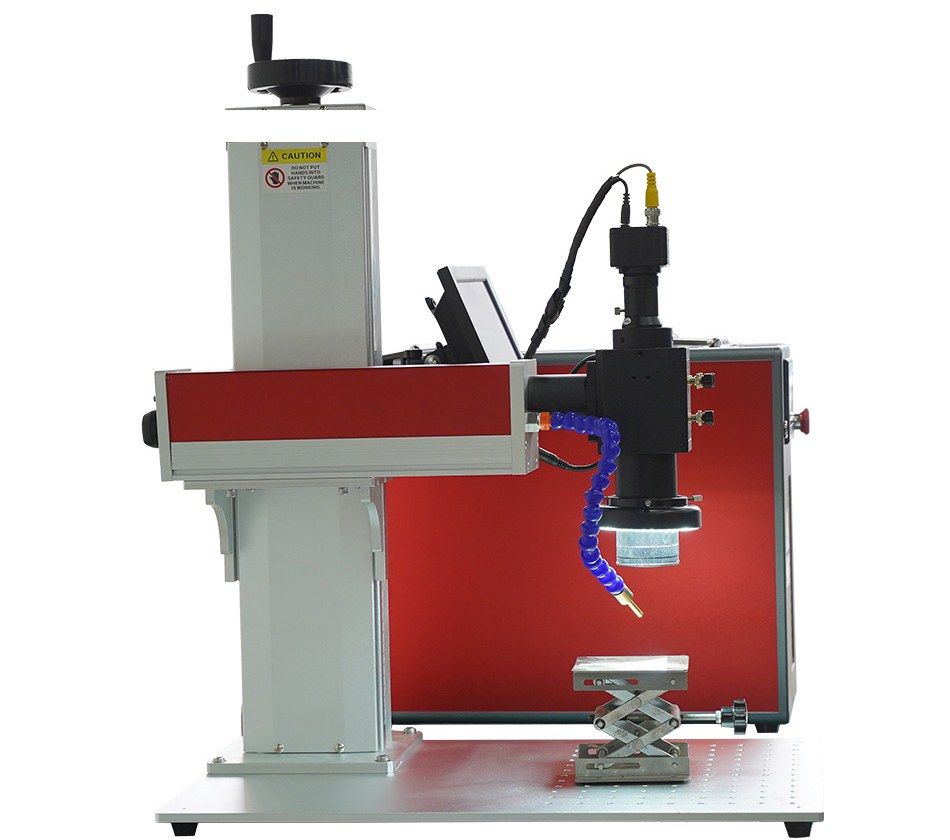
Split Jewelry Laser Welder 60 / 120 / 200 W (QCW fiber, MW-QW)
- Average power
- 60 / 120 / 200 W
- Peak power
- 600–2000 W
- Max. pulse energy
- 6 / 12 / 35 J
Jewelry laser welders
Models · MW-QW60 · MW-QW120 · MW-QW200
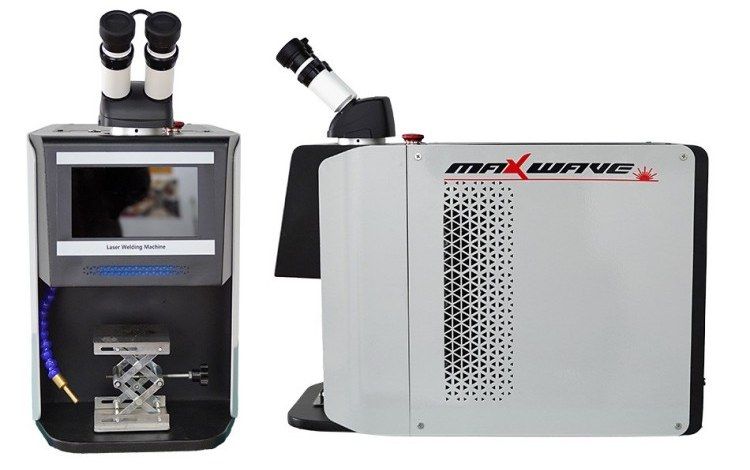
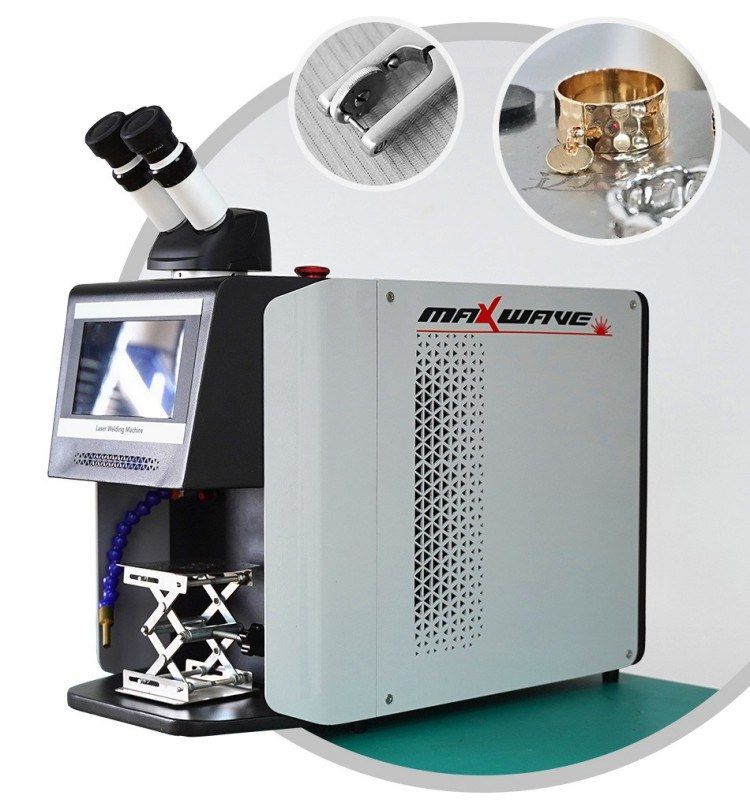
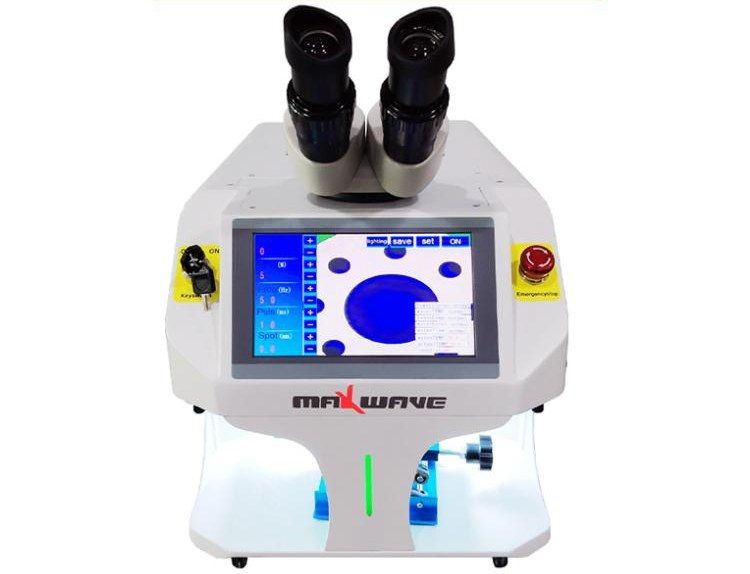
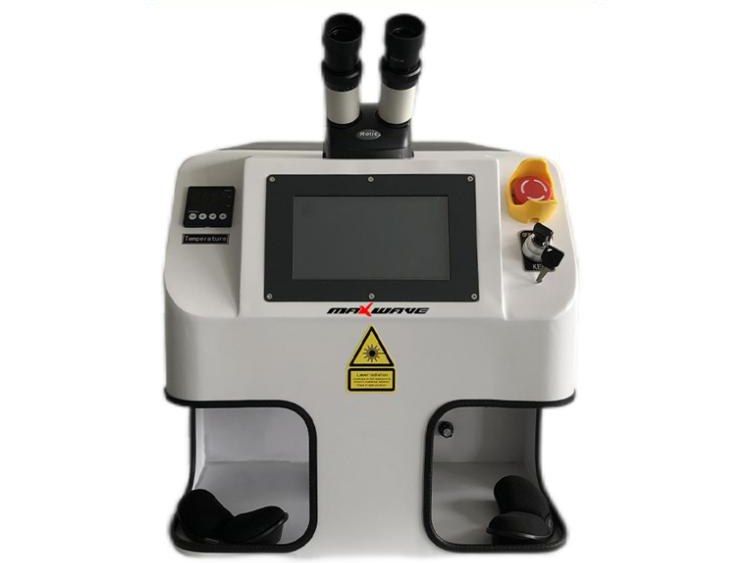
A compact, air-cooled jewelry welder built around a QCW fiber laser, with a binocular microscope and an HD CCD screen in one 32 kg cabinet. It comes in 60, 120 and 200 W versions with 600–2000 W peak power. For jewelers who want a laser with no flash lamps and no water chiller to maintain.
This welder replaces the lamp-pumped YAG source of a classic jewelry welder with a QCW (quasi-continuous wave) fiber laser. It still fires long, millisecond pulses with high peak power, up to 2000 W on the 200 W version. The fiber source has almost no consumables and needs no water chiller.
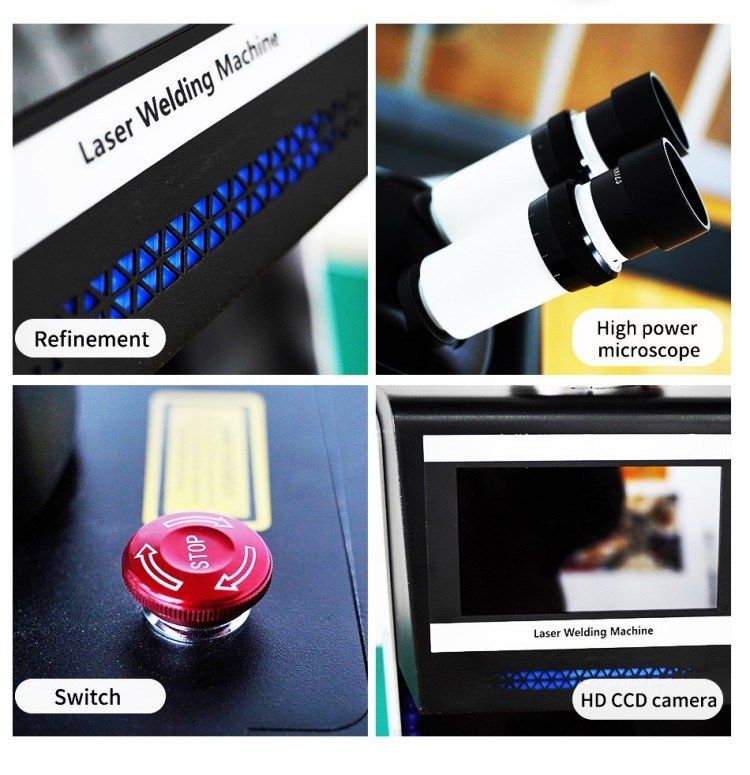
Everything sits in one compact cabinet of about 610 × 290 × 430 mm. A binocular microscope sits on top and an HD CCD screen on the front shows the weld area. The part rests on a lab-jack lift table in the open work area, with a flexible gas nozzle beside it.
Choose 60, 120 or 200 W. If you prefer an open welding stand with a separate laser cabinet, see our split QCW jewelry welder. We can adapt voltage and plug for your market. Every machine carries our 2-year whole-machine warranty, and operator training at our Wuhan factory is free.
Talk to an engineer
Tell us the material, thickness and the result you need. An engineer replies with a matched configuration and a quote.
Send your job detailsNeed a different setup?
This site shows only part of our range. Other powers and sizes, custom builds and everything around the machine are available on request.
Ask for the restRelated guide
How to choose a jewelry laser welderData
| Models | MW-QW60 / MW-QW120 / MW-QW200 |
|---|---|
| Laser type | QCW fiber laser, ytterbium-doped fiber |
| Wavelength | 1080 nm |
| Average power | 60 W / 120 W / 200 W |
| Peak power | 600 W / 1200 W / 2000 W |
| Pulse width | 0.2–15 ms, continuously adjustable |
| Pulse frequency | 1–20 Hz, continuously adjustable |
| Max. single pulse energy | 6 J / 12 J / 20 J |
| Beam quality (BPP) | 1–2 mm·mrad |
| Electro-optical efficiency | 30 % |
| Viewing system | Binocular microscope + HD CCD camera |
| Cooling | Air cooling |
| Max. input power | 2 kW |
| Laser source life | > 100,000 h (rated) |
| Machine size | About 610 × 290 × 430 mm |
| Net weight | 32 kg |
| Packing | 690 × 370 × 510 mm carton, 40 kg |
This model lists 20 J at 200 W; the split QCW model lists 35 J. Confirm the pulse energy for your version.
Wuhan Maxwave Laser Technology Co., Ltd. · sales@zerolineai.com · +44 7762 362563 · Specifications may change; confirm your configuration with us.
Fit
FAQ
A QCW fiber source fires the same kind of long, high-peak pulses as a YAG welder, but from a diode-pumped fiber. There are no flash lamps to replace and no water chiller, and the source is rated for more than 100,000 hours. Our YAG welders still offer higher single-pulse energy (40–100 J) for heavy repairs.
Maximum pulse energy is 6 J at 60 W, 12 J at 120 W and 20 J at 200 W. Fine chain and light repairs sit at the lower end; thicker sections need more. Send us sample parts and we will recommend a version.
The part sits on a lab-jack lift table under the head. You aim through the binocular microscope or on the HD CCD screen, and a flexible nozzle brings shielding gas to the weld.
32 kg net and 40 kg packed, in a 690 × 370 × 510 mm carton. It is compact enough to move between benches.
Jewelry laser welders
Jewelry laser welders
Jewelry laser welders