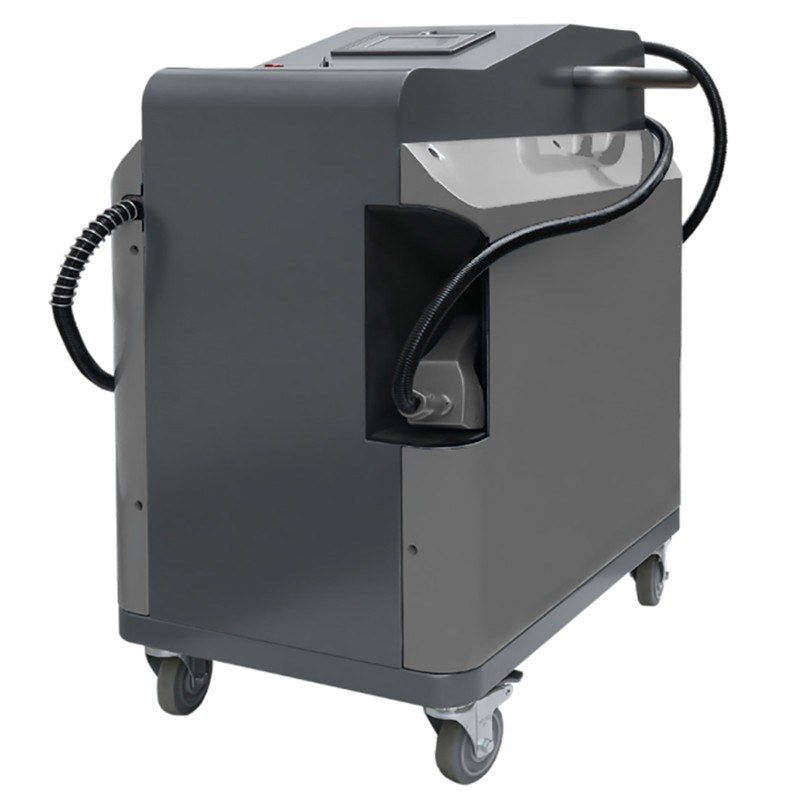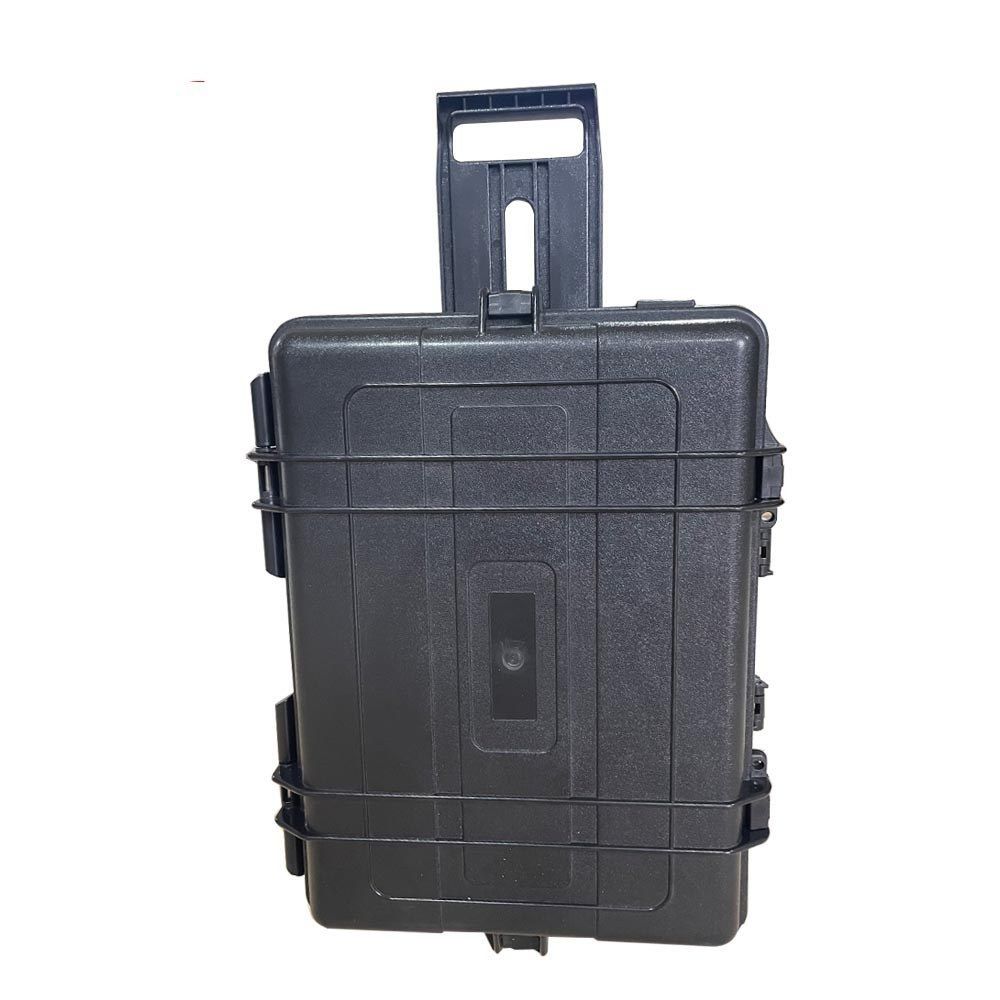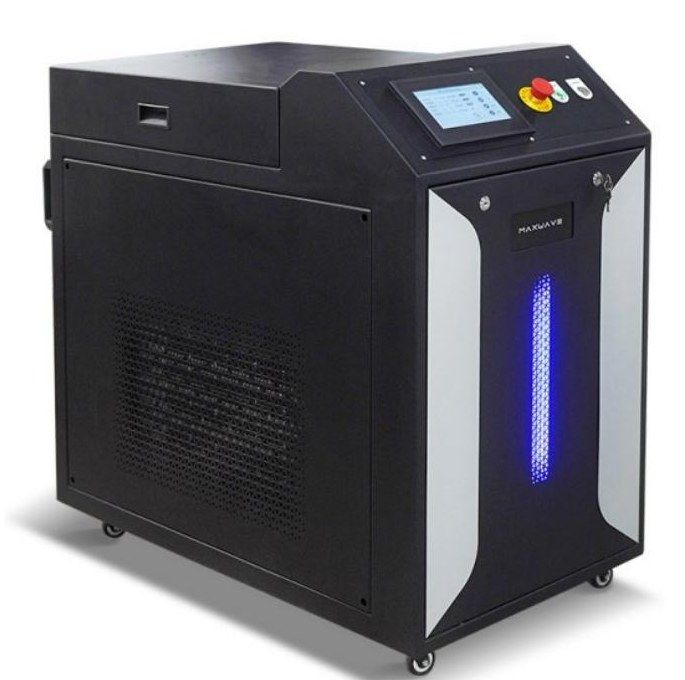
Continuous-wave cleaners, 1000–3000 W
Continuous Laser Cleaning Machine 1500 / 2000 / 3000 W (MW-LCW)
- Laser power
- 1500–3000 W
- Cleaning width
- 10–300 mm
- Cable length
- 15 m
Laser cleaning machines · 9 machines
Laser cleaning removes contaminants without blasting media or chemicals. Pick pulsed lasers when the surface must stay untouched, and continuous-wave lasers when you need to strip heavy rust fast.
Fast removal of heavy rust, mill scale and paint on steel structures, ship parts, tanks and pre-weld preparation.
Continuous-wave cleaners, 1000–3000 W
Continuous-wave cleaners, 1000–3000 W
Low heat input for moulds, tyre moulds, aluminium, heritage pieces and oxide removal where the base surface must not change.
Battery-free compact units for field service, small parts and work at height.
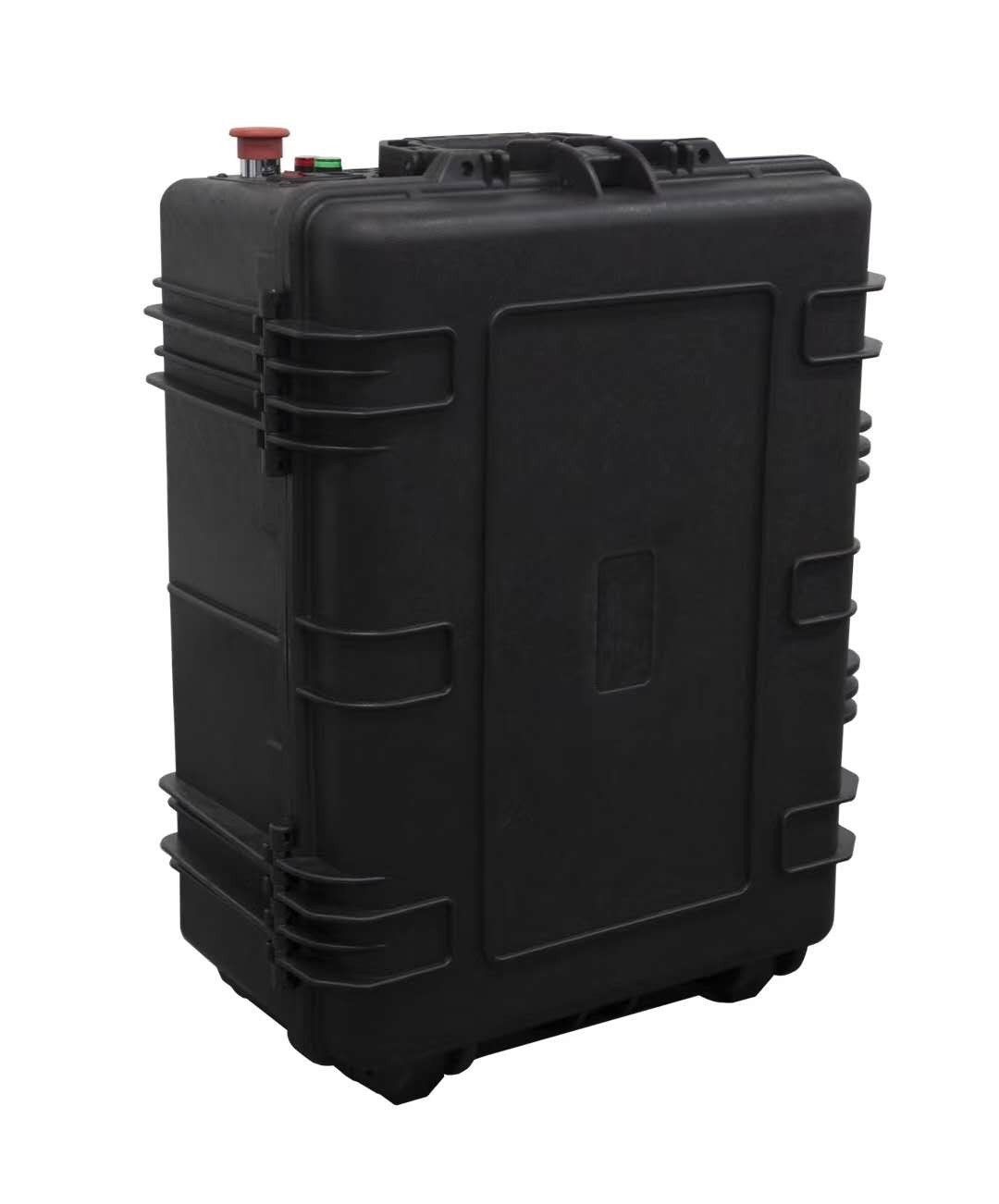
Backpack and portable cleaners, 20–100 W
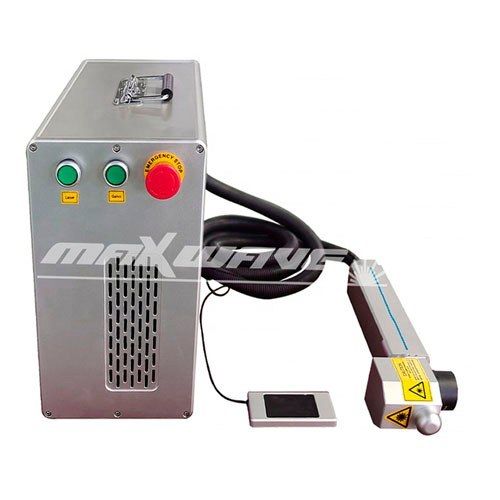
Backpack and portable cleaners, 20–100 W
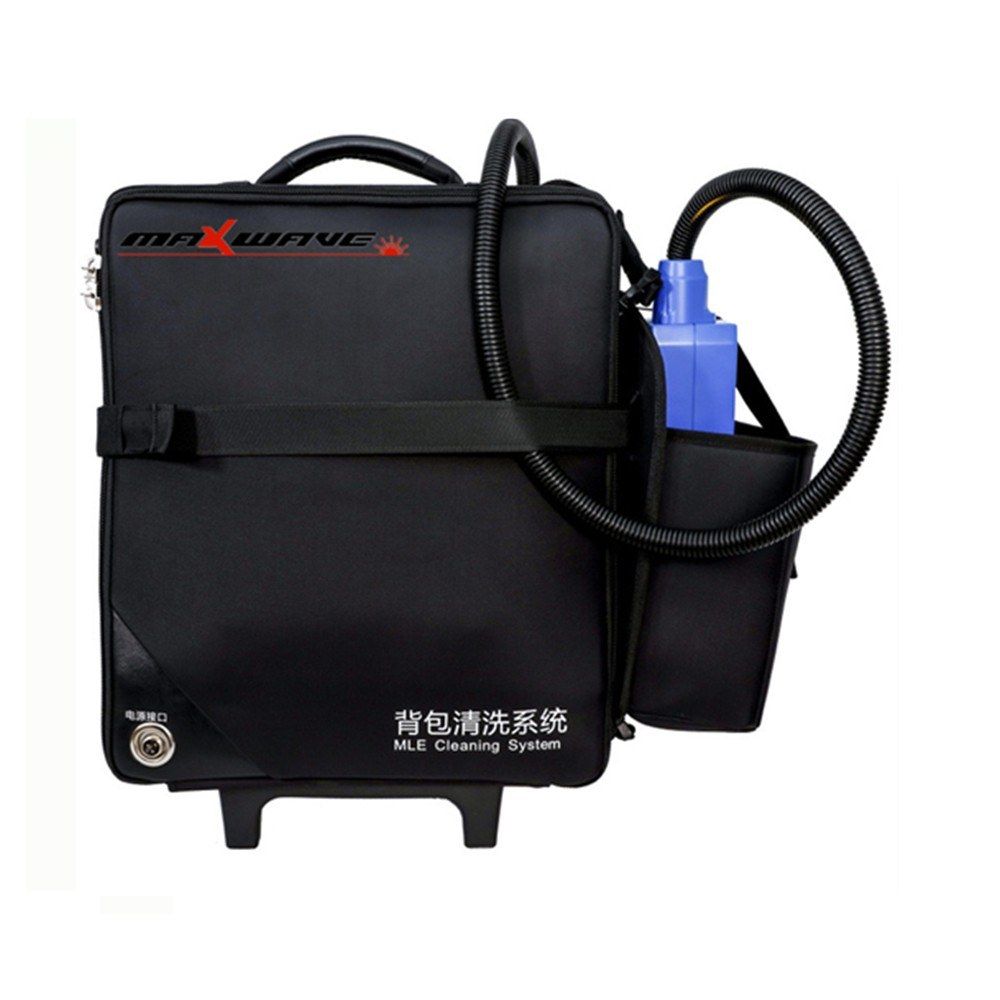
Backpack and portable cleaners, 20–100 W
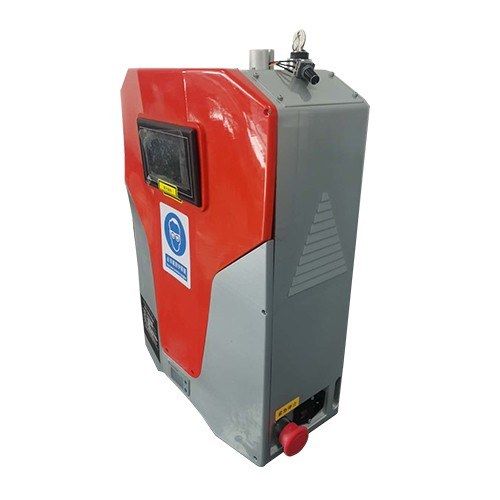
Backpack and portable cleaners, 20–100 W
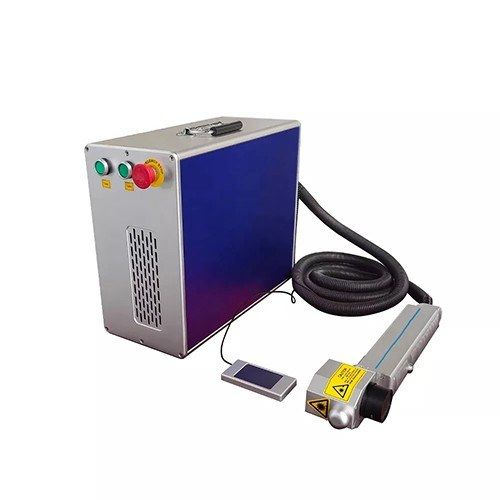
Backpack and portable cleaners, 20–100 W
Not the exact machine you need?
This website shows part of our range. Whatever you need, from a machine we don’t list to a complete production line, we supply it as one solution. Contact us any time.
Compare
| Property | Pulsed (50–500 W) | Continuous wave (1000–3000 W) |
|---|---|---|
| How it works | Short, high-peak pulses ablate a thin layer at a time | Constant beam heats and lifts the coating |
| Heat into the part | Very low | Higher; watch thin sheet |
| Best on | Moulds, aluminium, fine oxide, paint on delicate parts | Heavy rust, thick paint, large steel areas |
| Surface finish | Base metal texture preserved | Can leave light melt or colour on thin parts |
| Speed on heavy rust | Slower | Much faster |
| Machine price | Higher per watt | Lower per watt |
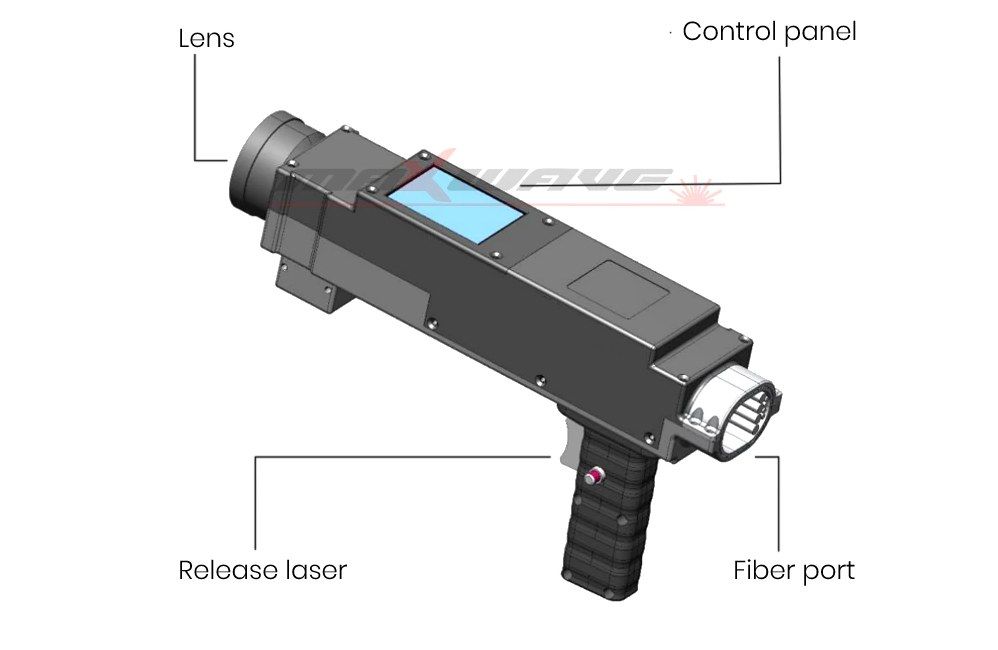
A cleaning head scans a line of laser light across the surface. Rust, paint, oil and oxide absorb more of the energy than the bare metal beneath, so they heat, vaporise or spall off while the substrate reflects most of the light.
Because there is no abrasive, there is nothing to contain, sweep up or dispose of beyond the fume, which an extractor captures at the head. Operators can switch from rust removal to weld-seam cleaning in seconds by changing the scan width and power.
Start with the coating and the part. Thin oxide on a mould, oil on aluminium or paint on a part that must keep its dimensions points to a pulsed laser. Heavy rust on structural steel, ship plates or tanks points to a continuous-wave laser of 1500 W or more.
Then decide on portability. Backpack units go up ladders and into ships; trolley units with a water chiller run all day in a workshop. If you are unsure, send us a sample: we clean it on the machine you are considering and send back a video and the settings.
FAQ
Set correctly, no. Pulsed lasers remove coatings with very little heat into the part. Continuous-wave lasers put in more heat, so on thin sheet we lower power or increase speed to avoid discolouration.
Rust, mill scale, paint, powder coat, oil and grease, oxide and heat tint after welding, rubber residue in tyre moulds and carbon deposits. Results depend on coating thickness and power, so we recommend a sample test.
Neither is better in general. Pulsed is for delicate surfaces and precision; continuous-wave is for speed on heavy rust and paint. Many workshops that do both buy one of each.
No blasting media or chemicals. You replace the protective lens in the cleaning head from time to time and run fume extraction.