
Laser cleaning · welding · marking · cutting

Light,put to work.

Industrial laser machines built to order in Wuhan since 2009, and running in workshops in 32 countries.

Source
Fiber · 1500 W CW
Wavelength
1080 nm
Scan width
120 mm
Cleaned
0.000 m²

Interactive demonstration: moving the pointer over the image removes rust from a steel plate, the way a handheld laser cleaning machine does.

2009
Founded in Wuhan. We started by building laser power supplies and jewelry welders, and still design our own.
32 countries
where Maxwave machines run today, sold direct and through local dealers.
2 years
whole-machine warranty with replacement parts, then service for the life of the machine.
48 hours
of running tests on every marking and welding machine before it is crated.

What our lasers do

Four jobs. One kind of tool.

Every Maxwave machine does one of four things to a surface. Start with the job, and the machine follows.

01Laser cleaning

Rust off. Base metal stays.

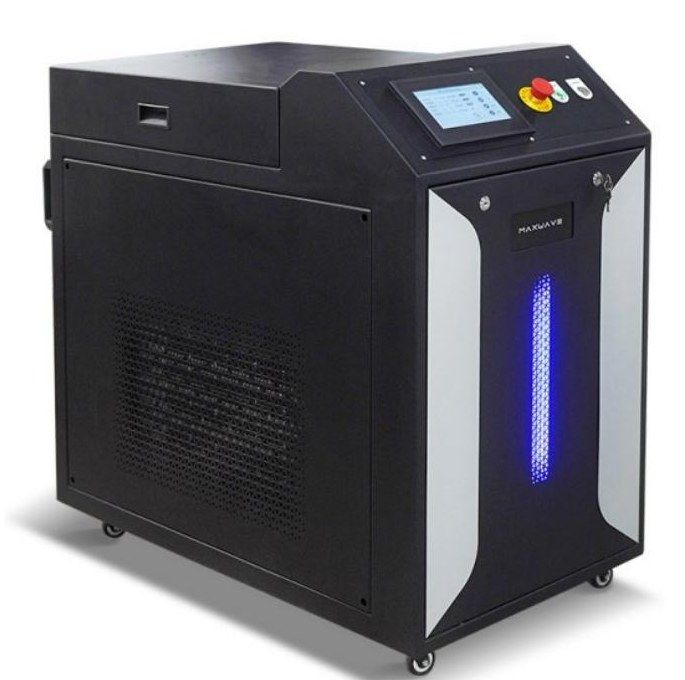
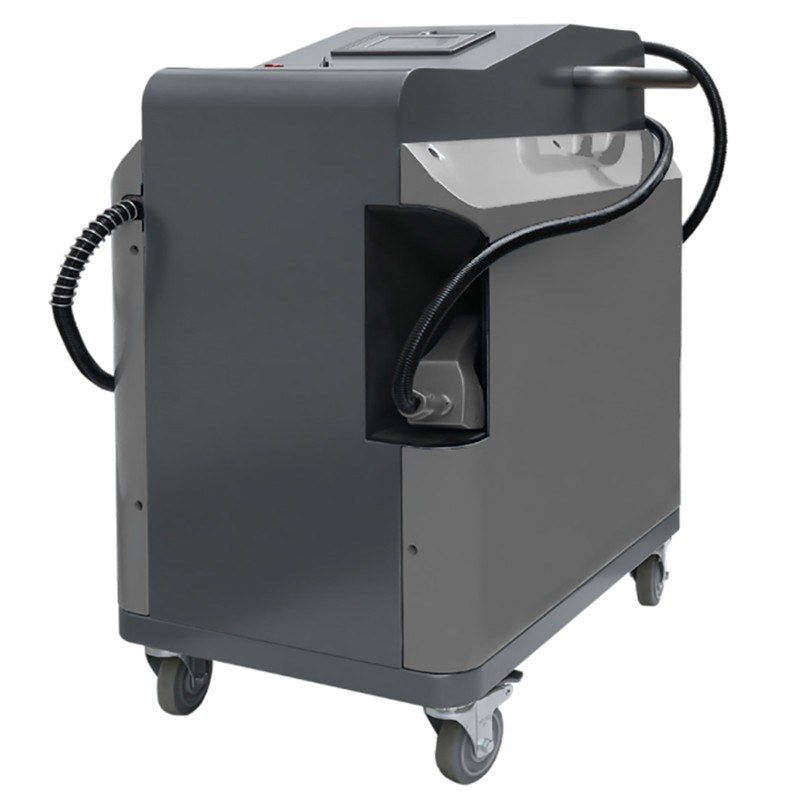
A laser cleaning head scans a line of light across the surface. Rust, paint, oil and oxide absorb the energy and lift off; the steel underneath reflects most of it and stays intact. No blasting media, no chemicals, nothing to sweep up.

Continuous wave
1000–3000W
Pulsed
20–500W
Consumables
None

02Laser welding

One pass. Little to grind after.

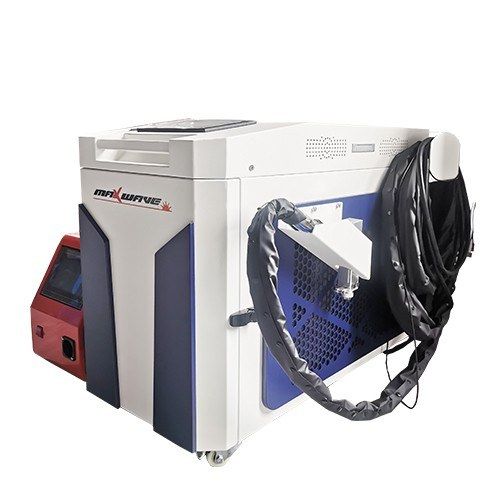
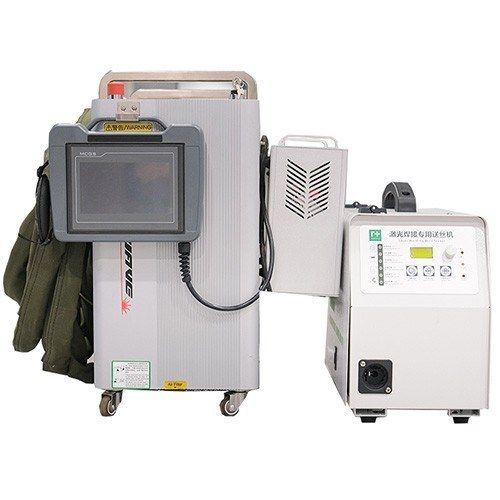
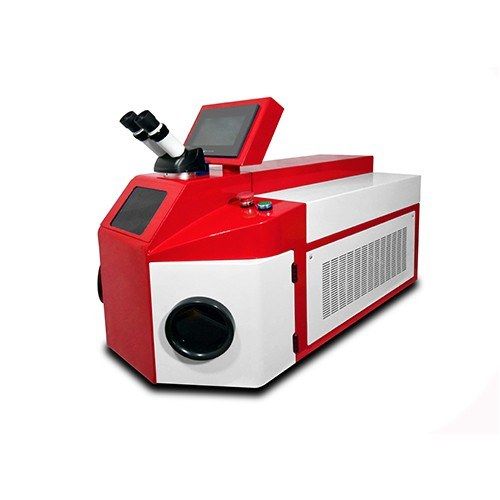
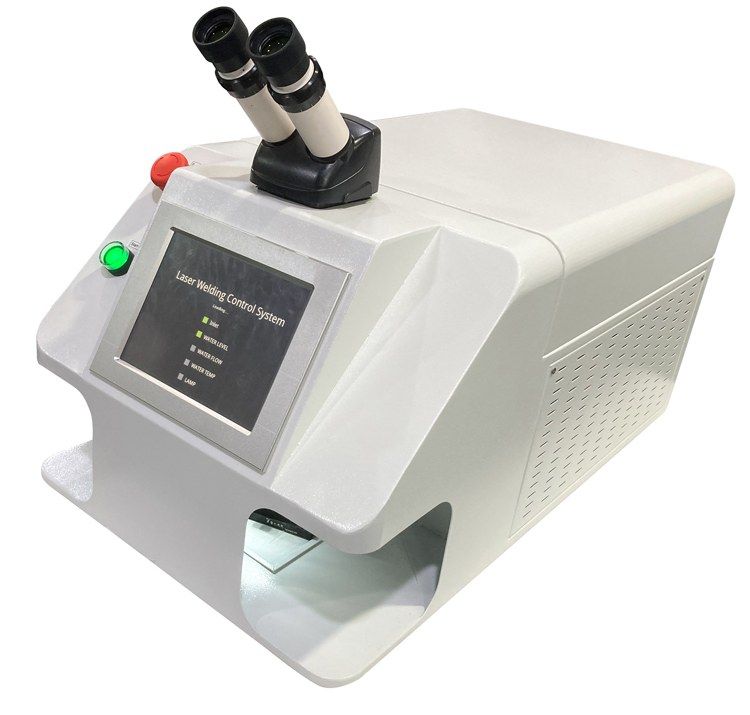
Handheld fiber welders join stainless, carbon steel, aluminium and galvanized sheet with a narrow, even seam and low heat input, so thin parts keep their shape. Smaller pulsed welders repair rings, chains and moulds under a microscope.

Handheld fiber
300–3000W
Jewelry (YAG)
60–200W
Mould repair
200–500W

03Laser marking

Permanent marks. No ink, no labels.

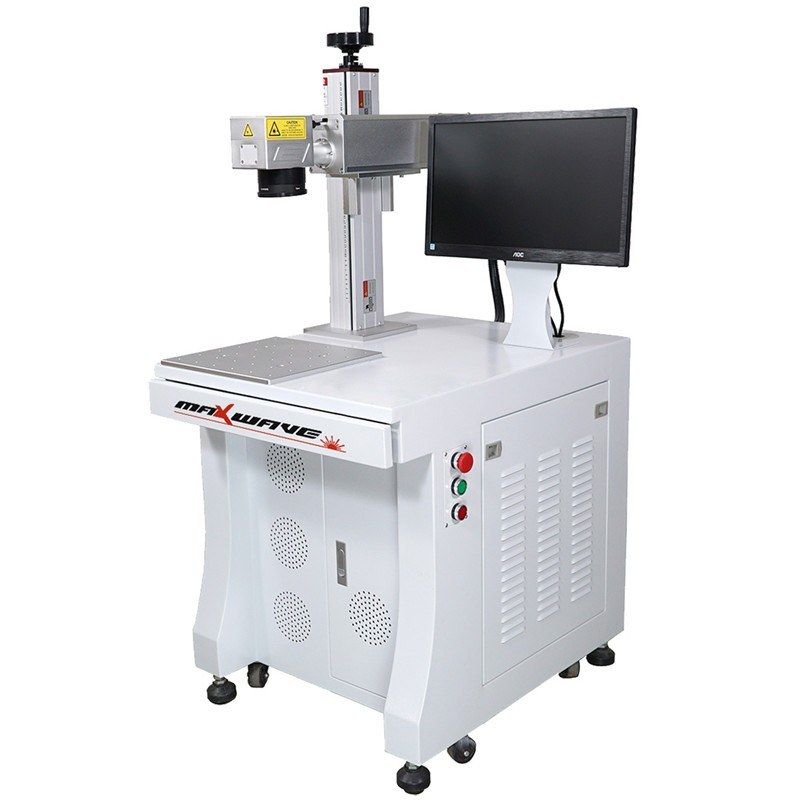
A galvo scanner writes serial numbers, logos and 2D codes in seconds. The wavelength decides the material: fiber at 1064 nm for metals, UV at 355 nm for plastics and glass, CO2 at 10.6 µm for wood, leather and denim.

Fiber / MOPA
20–200W
UV 355 nm
3–15W
CO2 10.6 µm
30–150W

04Laser cutting

Sheet in. Finished parts out.

Fiber laser cutting follows the drawing straight from the CAD file: flanges, brackets, signage and enclosures with clean edges and no tooling to change. For small jobs, our 4-in-1 handheld unit also cuts thin sheet on site.

Bed
1500 × 3000mm
Fiber source
to 2200W
Handheld 4-in-1
1500W

Machine finder

What do you need to do?

Pick the job and the situation. We show the machine family that fits and the models to compare.

1 · I need to
2 · What are you cleaning?
2 · What do you weld most often?
2 · Where will it be used?
2 · What are you marking?
2 · How much cutting do you do?
2 · What sheet size do you work with?
2 · Where will you print?

We recommend

Continuous-wave cleaner, 1500–3000 W

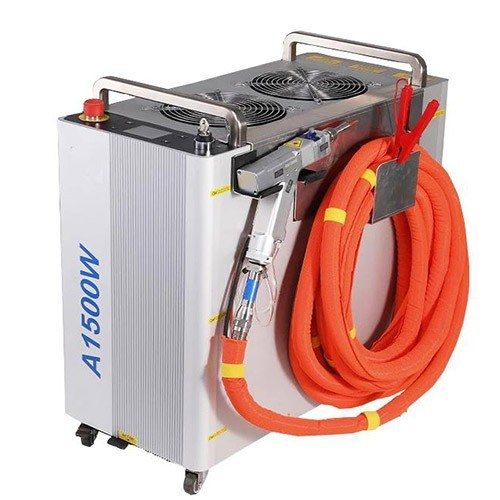
Continuous-wave power strips thick rust and paint fastest. Choose 1500 W for workshops, 2000–3000 W for structures, ship parts and all-day use.

We recommend

Pulsed cleaner, 100–500 W

Short pulses remove the layer without heating the part, so mould textures, aluminium and thin parts keep their surface.

We recommend

4-in-1 handheld system, 1500 W

One source, swappable nozzles: weld, cut thin sheet and clean seams. Good for small shops and site work.

We recommend

Mould repair welder, 200–500 W

Pulsed welding with filler wire under a microscope rebuilds edges and cavities without cracking the tool steel.

We recommend

MOPA fiber marker

Adjustable pulse width gives deep black marks on anodized aluminium and colour marks on stainless steel.

We recommend

CO2 marker, 10.6 µm

Organic materials absorb the CO2 wavelength strongly: fast, high-contrast marks and fading effects on denim.

We recommend

Flying online marker

Marks dates, codes and logos on the move, synchronised to your conveyor.

We recommend

Handheld marker

Take the marking head to the part: castings, pipes, machinery already on site.

We recommend

Fiber laser cutter, 1500 × 3000 mm

Cuts steel, stainless and aluminium sheet straight from your DXF files, with no tooling changes.

We recommend

4-in-1 handheld system

The same handheld unit that welds and cleans also cuts thin sheet by hand.

We recommend

CO2 engraver, 60–150 W

Cuts acrylic with a polished edge, engraves wood and leather, and cuts fabric and paper patterns.

Changing a choice updates the recommendation below it.

The film · 0:30

Thirty seconds of light.

Read the transcript

One beam of light can strip rust, close a seam, mark a code that won't rub off, and cut a part from a sheet of steel. Maxwave has built lasers in Wuhan since 2009, for workshops in 32 countries. Built to order, with a 2-year warranty and free training. Maxwave Laser. Light, put to work.

Beyond this catalog

This is only part of the range. Ask for the rest.

This website has room for only part of what we supply. Behind it stands a complete laser product line and a supply chain rooted in Wuhan, China’s Optics Valley. Whatever your job needs, tell us: we put together the whole solution, with one contact, one quote and one shipment. Write or call any time.

  1. 01Machines not listed hereOther powers, sizes and wavelengths, and models we don’t show. If it isn’t here, ask.
  2. 02Built to your specificationVoltage and plug, laser power, cooling, software language, labels and your own branding.
  3. 03Everything around the machineFixtures, rotary axes, fume extraction, chillers, safety glasses, consumables and spare parts.
  4. 04One contact, one shipmentOne quote and one contract for the whole order, packed and shipped together.

Sample testing

See it work on your part. Then decide.

The fastest way to choose a laser is to watch it do your job. Testing costs you nothing but the postage.

Request a sample test
  1. Tell us the job

    Send photos or a drawing of the part, the material and thickness, and the result you need: clean, weld, mark or cut.

  2. We run it in Wuhan

    An engineer sets up the machine you are considering, or the one we would recommend, and runs your sample or a matching test piece.

  3. You get proof, not promises

    A video of the test, photos of the result, the settings we used and a quote for that exact configuration.

Guides

Straight answers before you spend.

All buying guides
  1. Laser cleaningPulsed vs continuous laser cleaning: which one do you need?Choose a pulsed fiber laser (typically 20–500 W) when the surface must stay as it is: moulds, aluminium, stainless steel, thin parts, heritage objects and weld preparation. Choose a continuous-wave (CW) laser (typically 1000–3000 W) for heavy rust and paint on thick, robust steel, where cost per watt matters more than the finish.
  2. Laser cleaningLaser cleaning vs sandblasting: which method fits your job?Laser cleaning is the better choice where waste, substrate damage, precision or noise matter: moulds, weld preparation, spot repairs, thin or sensitive parts and small areas of hazardous coating. Abrasive blasting is still faster and usually cheaper per square metre for stripping thick coatings from large steel areas, and it creates the anchor profile many paint systems specify.
  3. Laser weldingHandheld laser welder power: 1000, 1500, 2000 or 3000 W?For most sheet-metal work up to about 3 mm, a 1000–1500 W handheld fiber laser welder is enough. Choose 2000 W if you weld 3–5 mm steel or aluminium every week. Expect 3000 W to add speed and margin more than thickness, and remember that fit-up, filler wire and shielding gas decide the result as much as watts.
  4. Laser weldingHandheld laser welding vs TIG vs MIG: which process fits?Handheld laser welding is usually the fastest option with the least distortion and grinding on clean, well-fitted sheet metal up to a few millimetres thick. TIG remains the reference for the finest manual welds, and MIG remains the better choice for thick sections, poor fit-up and outdoor structural work. Many shops use the laser for sheet work and keep arc welding for the rest.
  5. Laser weldingHow to choose a jewelry laser welder: YAG vs fiberFor bench repair and manufacturing, choose a pulsed laser welder with enough peak power for your heaviest metal, a spot adjustable down to about 0.2 mm, a 10× microscope or camera, and an argon nozzle. Flashlamp Nd:YAG units are the established choice, while fiber (QCW) sources trade the flashlamp for higher efficiency and less maintenance. Permanent jewelry is a different job, usually done with a small pulse-arc welder.
  6. Laser markingFiber vs UV vs CO2 laser marking: which laser for which material?Choose a laser marker by material, because absorption depends on wavelength. Fiber (1064 nm) is the default for metals, MOPA fiber adds colour on stainless steel and black on anodized aluminium, UV (355 nm) gives fine low-heat marks on plastics, glass and PCBs, and CO2 (10.6 µm) marks wood, leather, textiles, paper and glass but not bare metal.
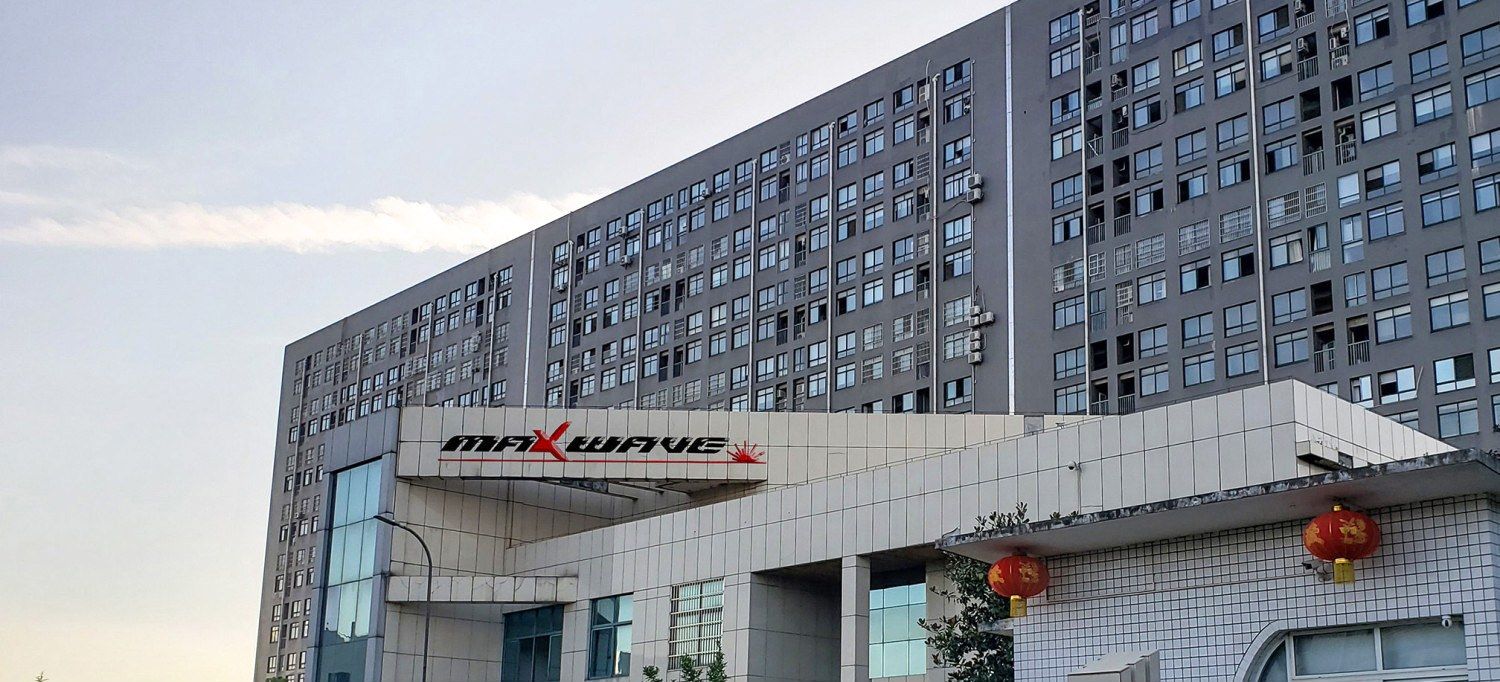
The Maxwave Laser building in Panlongcheng, Huangpi District, Wuhan, with the MAXWAVE sign over the entrance

Panlongcheng Economic Development Zone · Huangpi District · Wuhan

Made in Wuhan

Built in China’s laser city.

Wuhan is home to one of China’s largest laser industry clusters, the “Optics Valley”, with fiber laser makers, optics suppliers and engineers within an hour’s drive. That is where Maxwave started in 2009, building laser power supplies and jewelry welders.

We still design our own laser power supplies. Every machine is assembled to order in our Huangpi workshop around proven fiber laser sources, then wired for your country’s voltage, labelled in your language and run-tested before it ships.

About Maxwave

FAQ

Before you write to us

Where is Maxwave Laser located?

Our factory and office are in Wuhan, Hubei Province, China: Building B8, 28th Street Leisure Business Center, Panlongcheng Economic Development Zone, Huangpi District. Visitors are welcome by appointment.

Which countries do you ship to?

Maxwave machines run in 32 countries. We crate machines for sea or air freight and can quote to your nearest port or to your door. Tell us your country and we will confirm the voltage, plug type and shipping options.

What warranty do you give?

Two years on the whole machine, with replacement parts supplied during the warranty. After that we keep supporting the machine for its working life. Consumables such as protective lenses and nozzles are not covered.

Is training included?

Yes. Operator training at our Wuhan factory is free, and every machine ships with an English manual and video instructions. We also train remotely by video call.

Can you supply a machine that is not on this website?

Yes. This website shows only part of our range. We also supply other powers, sizes and wavelengths, machines we do not list, and everything around them: fixtures, rotary axes, fume extraction, chillers, consumables and spare parts. Tell us the job and we will put together a complete solution with one quote and one shipment.

Can you customize a machine?

Yes. We build to order: voltage and plug for your country, laser power, cooling, rail length on wall printers, software language and labels. Distributors can order machines with their own branding.

How do I get a price?

Send us the material, thickness and the job you need done, or pick a model and press Get a quote. Prices depend on the configuration, so we quote the exact machine we would ship.

Can I become a Maxwave distributor?

We work with dealers in several countries and support them with machine settings, training, marketing material and spare-parts stock. Contact us with your company profile and region.