Handheld fiber laser welders
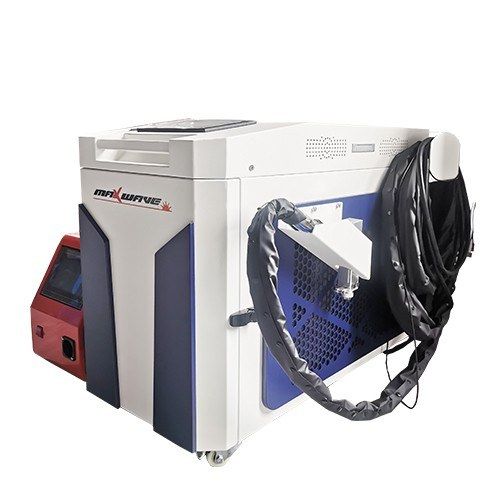
Handheld Fiber Laser Welding Machine 1000–2000 W (water-cooled)
- Laser power
- 1000–2000 W
- Steel penetration
- 2–4 mm
- Fiber cable
- 10 / 15 m
Laser welding machines · 23 machines
We started in 2009 building laser power supplies and jewelry welders. Today the range runs from 60 W bench welders for rings to 3000 W handheld fiber welders for sheet-metal shops.
300–3000 W for stainless, carbon steel, aluminium and galvanized sheet. Air- or water-cooled, with wire feeder and wobble head.
Handheld fiber laser welders
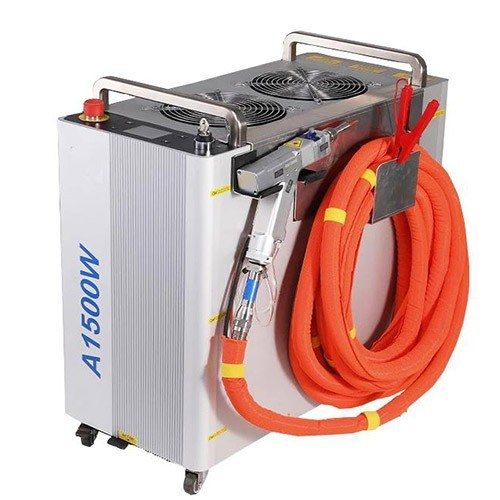
Handheld fiber laser welders
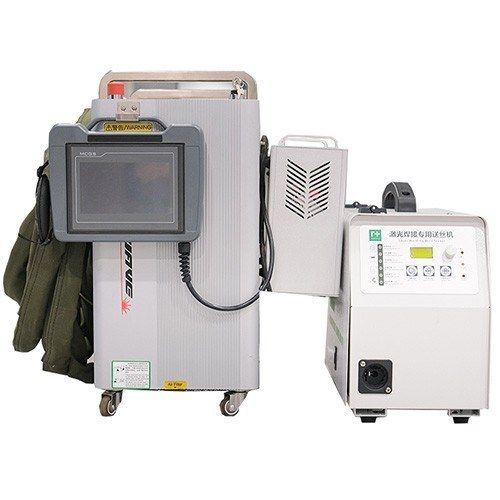
Handheld fiber laser welders
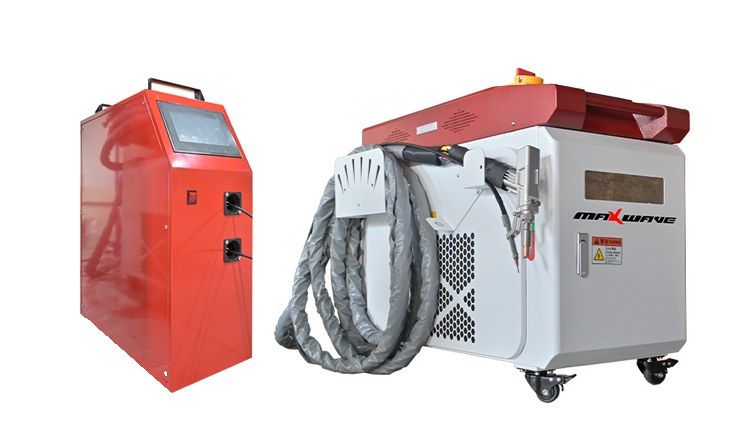
Handheld fiber laser welders
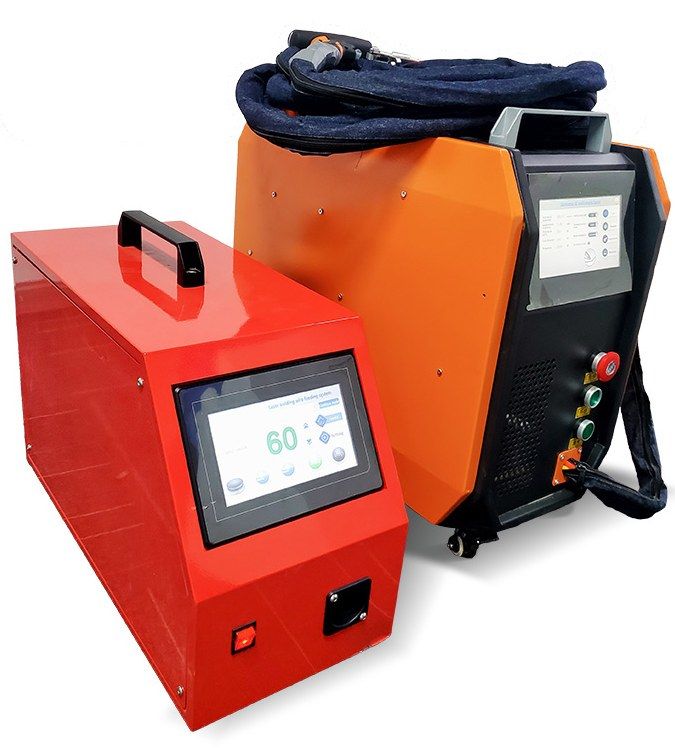
Handheld fiber laser welders
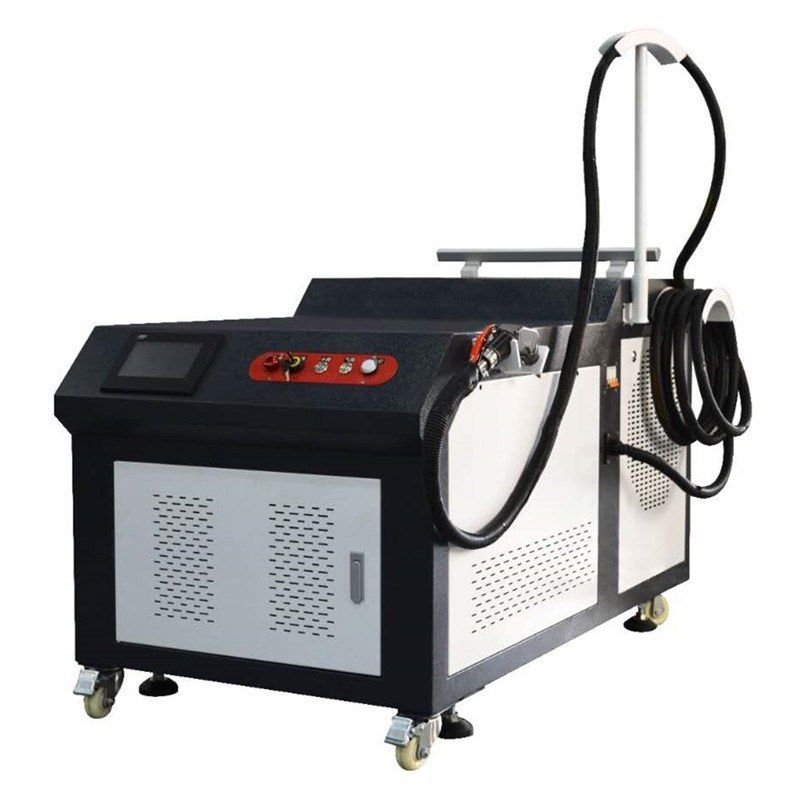
Handheld fiber laser welders
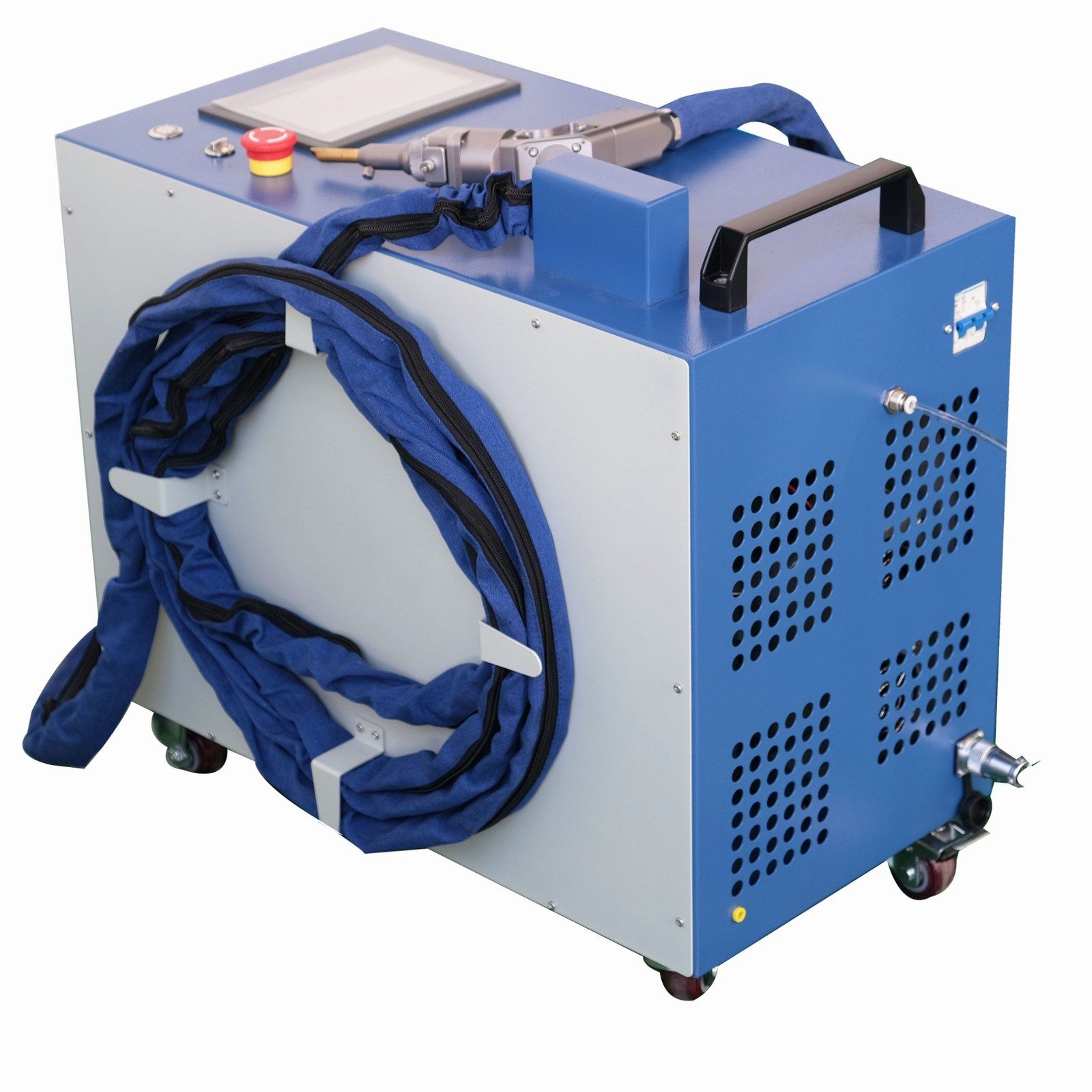
Handheld fiber laser welders
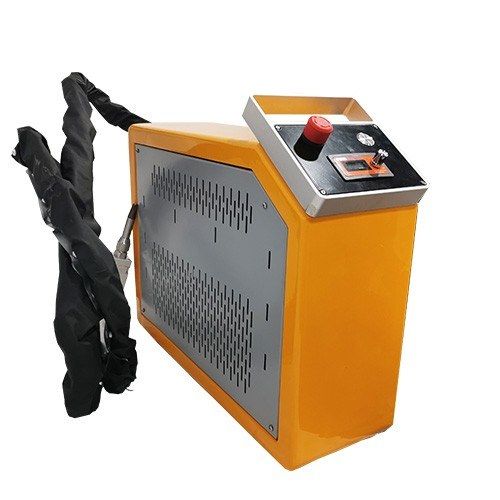
Handheld fiber laser welders
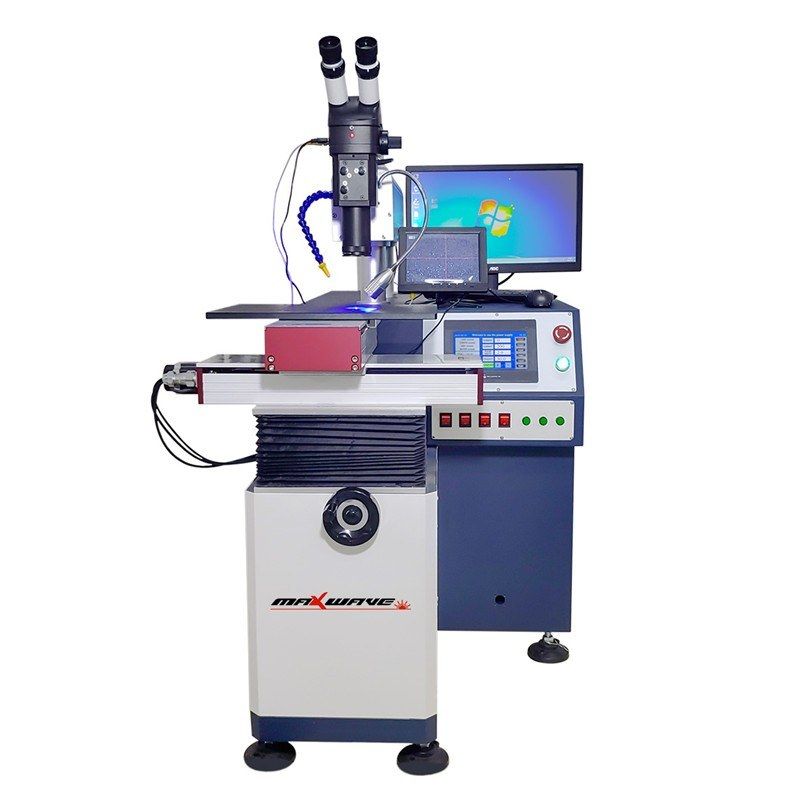
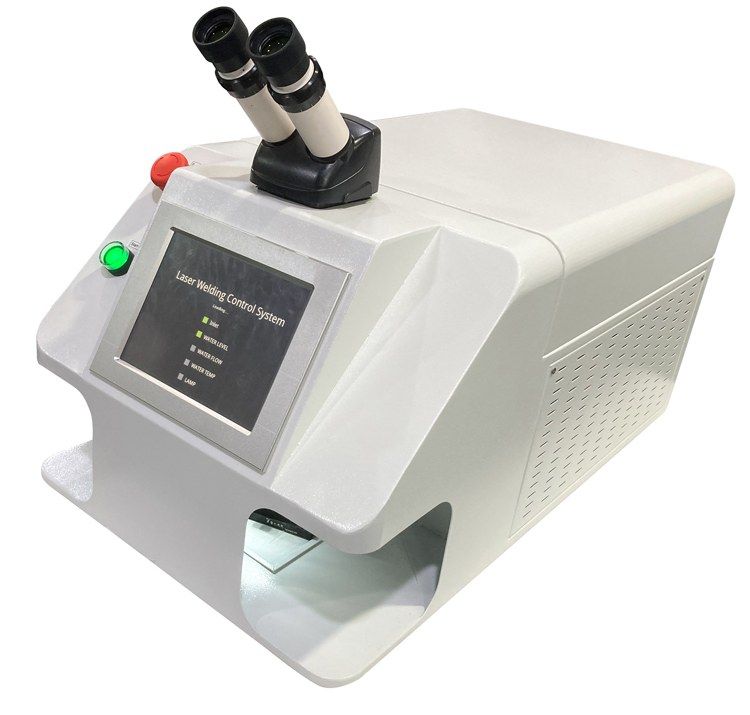
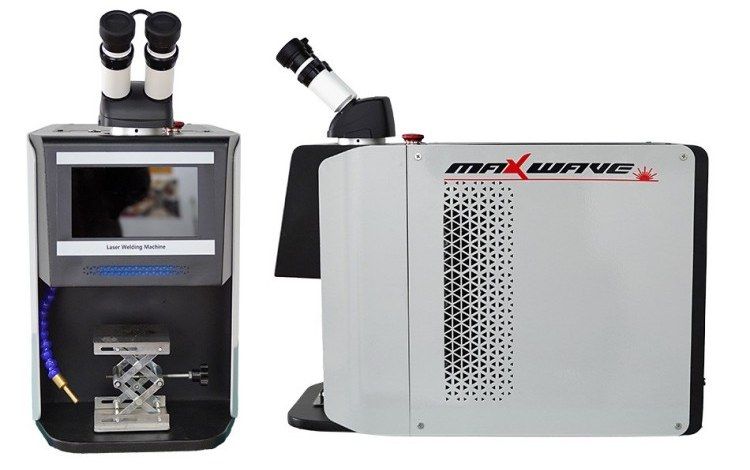
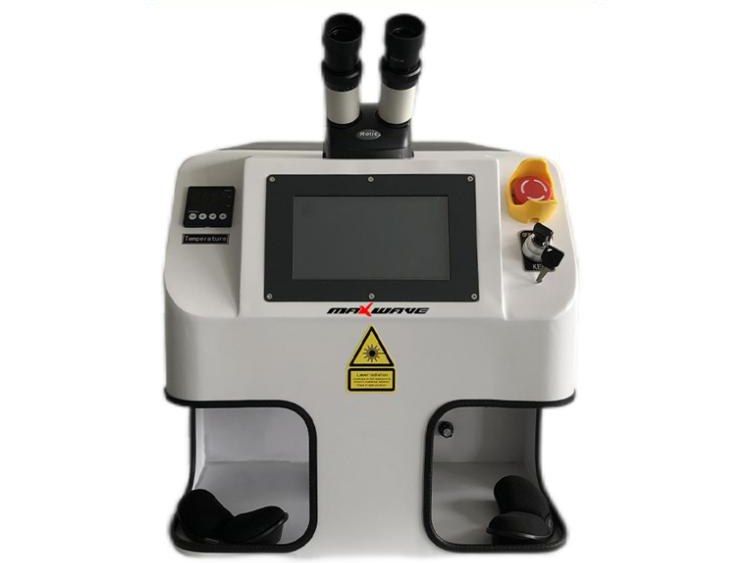
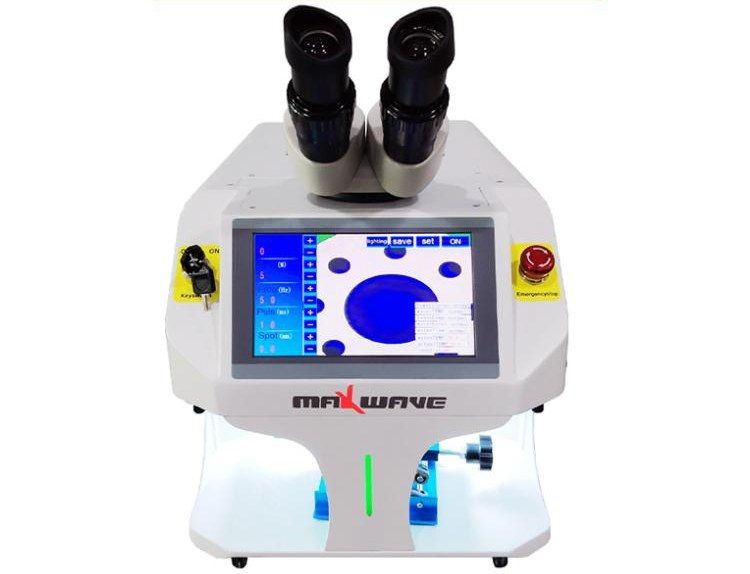
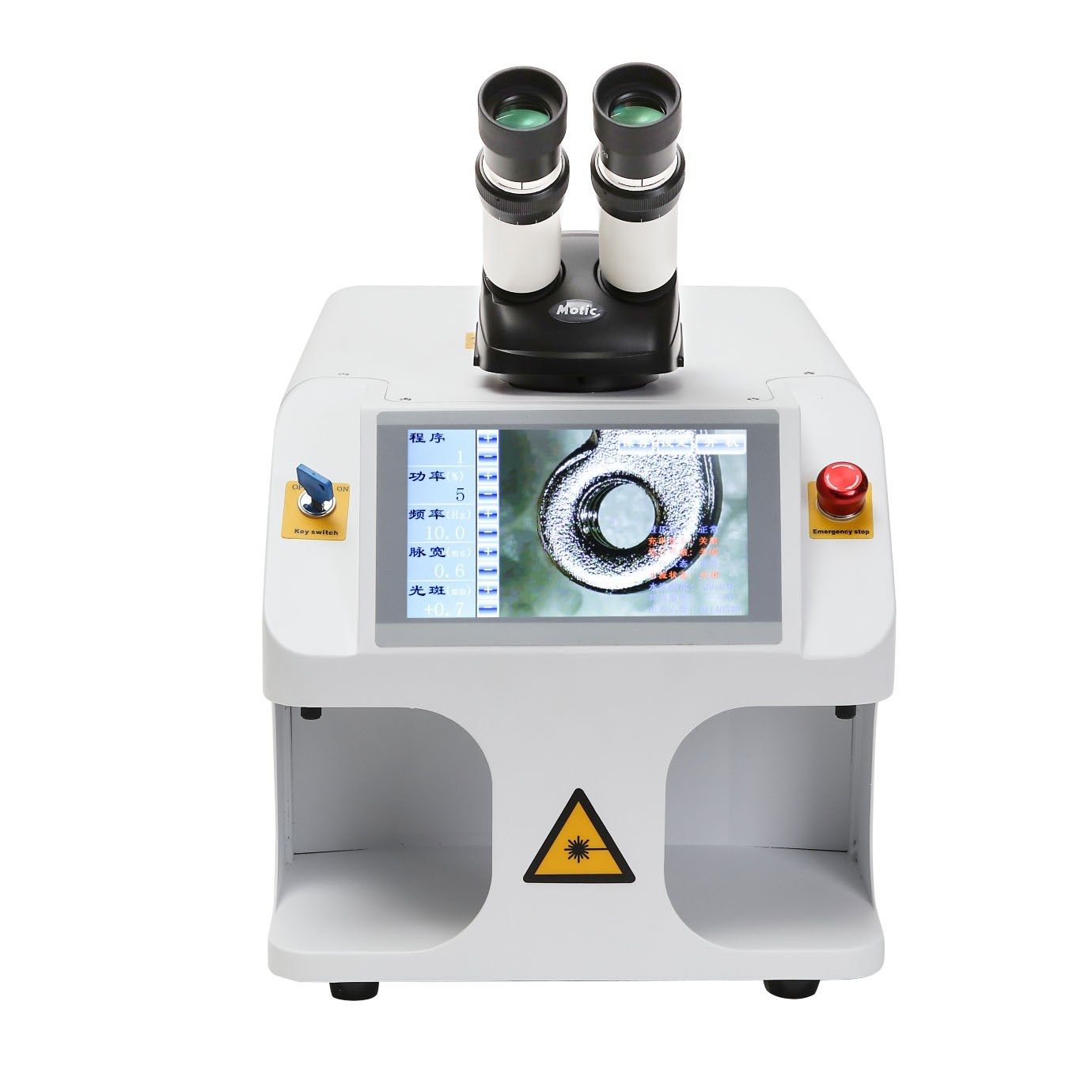
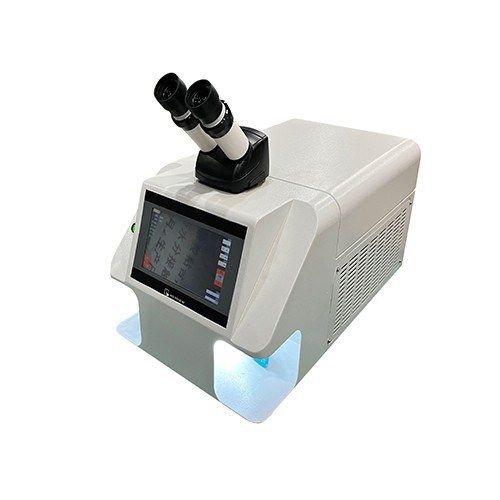
Pulsed welders with microscope or CCD camera for gold, silver and platinum repairs, chains and permanent jewelry.
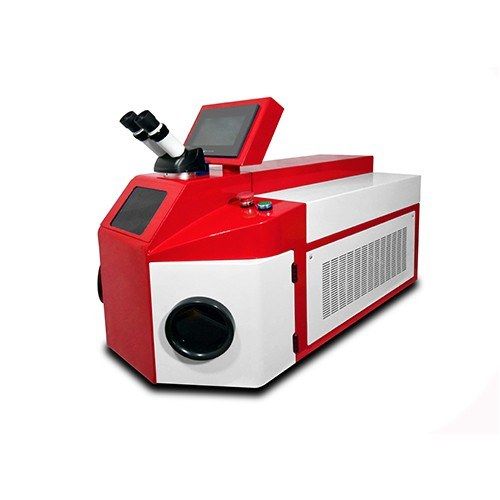
Jewelry laser welders
Jewelry laser welders
Jewelry laser welders
Jewelry laser welders
Jewelry laser welders
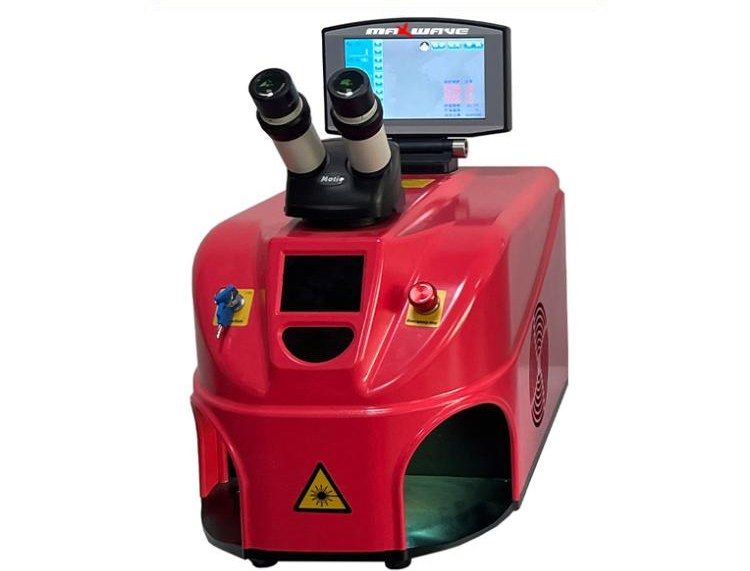
Jewelry laser welders
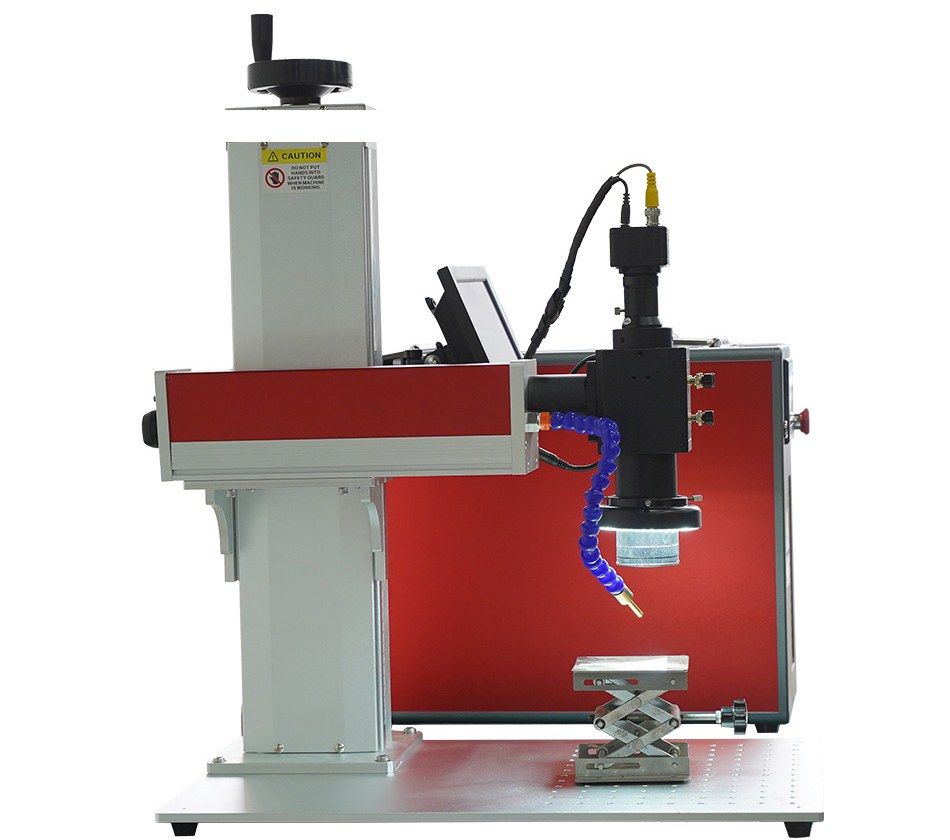
Jewelry laser welders
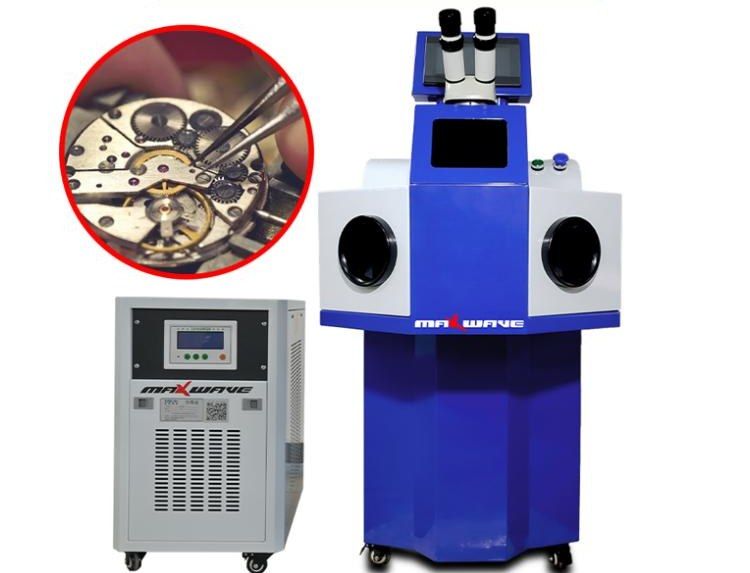
Jewelry laser welders
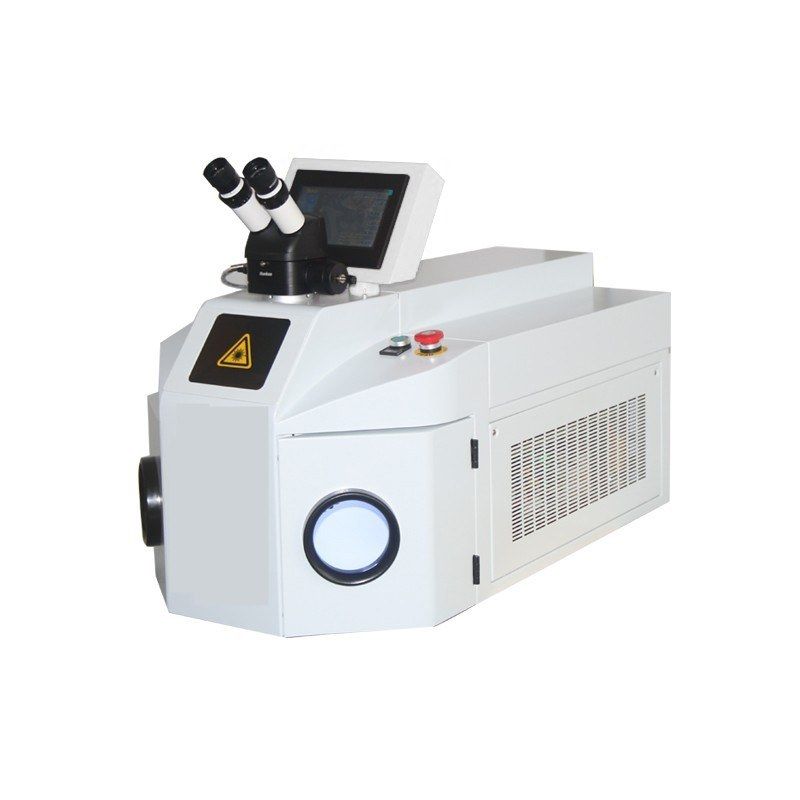
Jewelry laser welders
Jewelry laser welders
Jewelry laser welders
Jewelry laser welders
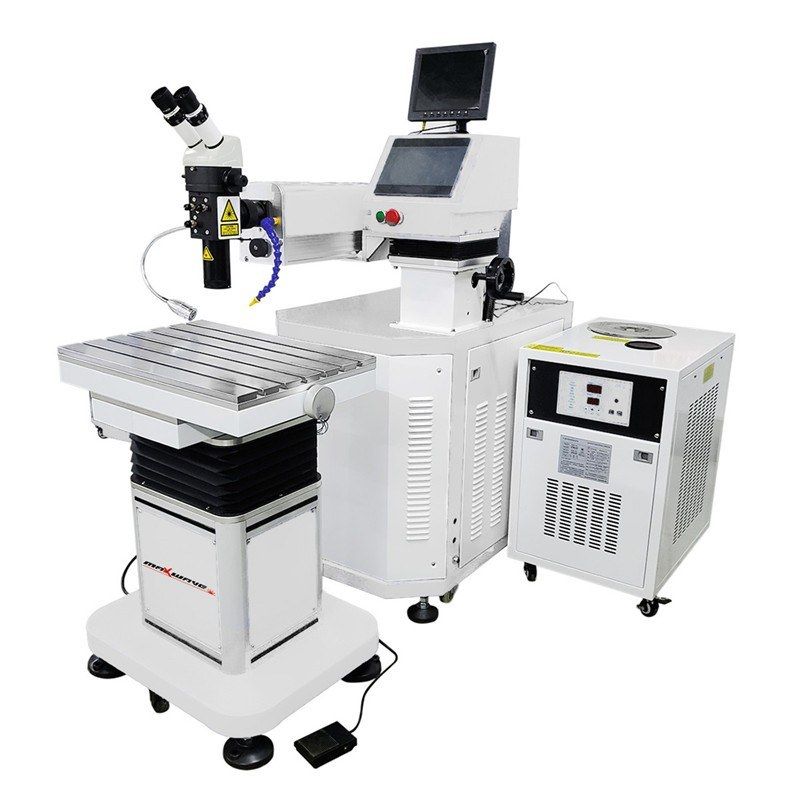
200–500 W pulsed welders on a movable stand for die and mould repair with filler wire.
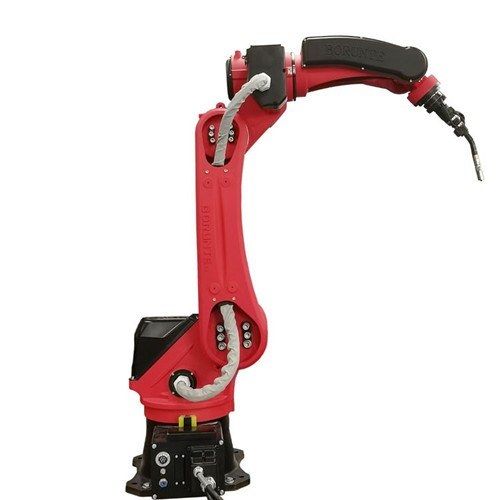
CNC tables and 6-axis robot arms for repeatable seams in production.
Not the exact machine you need?
This website shows part of our range. Whatever you need, from a machine we don’t list to a complete production line, we supply it as one solution. Contact us any time.
Compare
| Property | Handheld fiber | Jewelry (pulsed) | Mould repair | Automatic / robot |
|---|---|---|---|---|
| Typical power | 300–3000 W | 60–200 W | 200–500 W | 200 W and up |
| Typical parts | Sheet metal, cabinets, frames, kitchenware | Rings, chains, prongs, small precision parts | Dies, moulds, tool edges | Batteries, sensors, repeated seams |
| Operator | Handheld torch | Seated, under microscope or camera | Standing, with microscope | Programmed |
| Filler | Optional wire feeder | Usually none or fine wire | Filler wire | Depends on joint |
A focused laser beam melts a narrow zone, so the seam is small and the part distorts less than with TIG or MIG. On thin stainless and aluminium that often means little or no grinding afterwards.
Handheld fiber welders are also quick to learn. Most operators produce acceptable seams after a short training, which is why sheet-metal shops add them next to their TIG sets.
For sheet-metal work, choose power by the thickest material you weld every week, not the thickest you might weld once. For jewelry, choose by pulse energy, viewing system (microscope or CCD) and whether you need a compact desktop unit.
For moulds, a stand with a long arm and a microscope on a swivel matters as much as power. For production, ask us for a sample weld on your part before choosing an automatic system.
FAQ
It depends on power, material and joint. As a rough guide, a 1500 W machine handles most stainless and carbon steel sheet up to a few millimetres in one pass; higher power extends this. Our power guide has a typical thickness table.
With good fit-up, laser seams on thin material are typically as strong as TIG seams, with less distortion. Poor fit-up or wide gaps favour TIG or MIG, or laser welding with filler wire.
Yes. Aluminium reflects more and conducts heat away faster, so it needs more power and clean surfaces. Many shops clean the joint with a laser cleaner first.
Jewelry welders deliver short, precise pulses under magnification for small precious-metal parts. Handheld fiber welders run continuously at high power to join sheet metal.