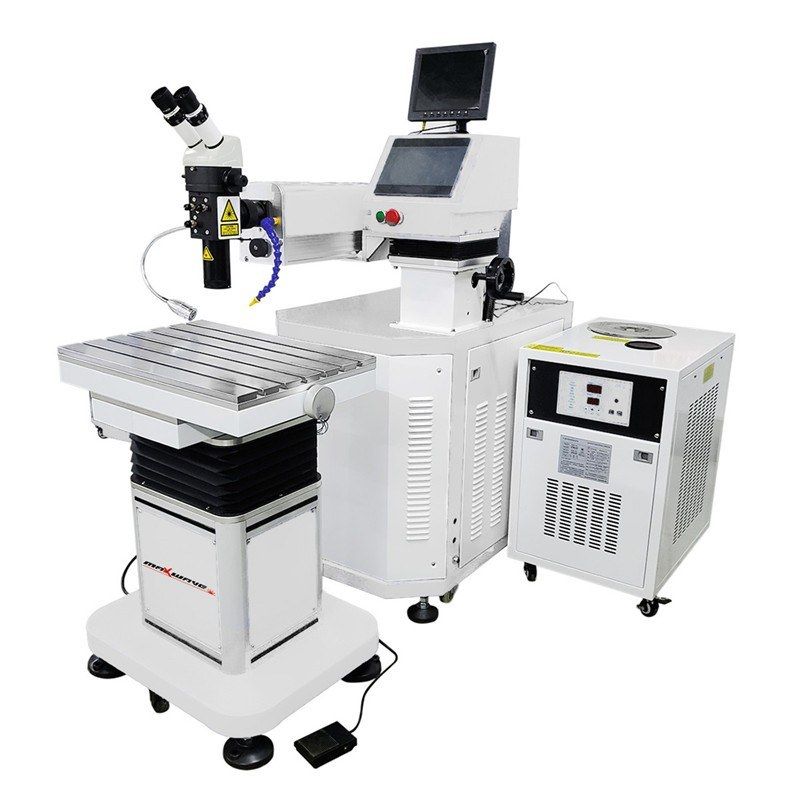
Mould repair welders
Mould Laser Welding Machine 200 / 300 / 500 W (Nd:YAG)
- Laser power
- 200–500 W
- Welding depth
- 0–3 mm
- Table load
- 200 kg
Application · Laser welding · Laser cleaning
Mould shops use pulsed laser welders to rebuild worn edges, cracks and engraving with filler wire, and pulsed laser cleaners to remove residue without damaging the polished or textured surface.
Injection moulds, die-casting dies and stamping tools wear at edges and parting lines, crack under thermal cycling and collect residue. Replacing a tool is expensive; repairing it in place keeps production running.
A mould repair welder sits on a movable stand with a long arm and a microscope. The operator feeds fine filler wire into the spot and builds up material pulse by pulse, then machines or polishes it back to shape. The heat-affected zone is small, so the surrounding steel keeps its hardness and polish.
Pulsed laser cleaners remove release agents, rubber residue and carbon deposits from mould cavities and vents without dry ice, blasting media or solvents, often while the mould is still warm in the press.
For repair, choose pulse power by the size of the repairs you do and the reach of the arm by the size of your tools. For cleaning, pulsed power of 100–300 W suits most mould work. Send us a worn insert and we will show you the repair.
Mould repair welders
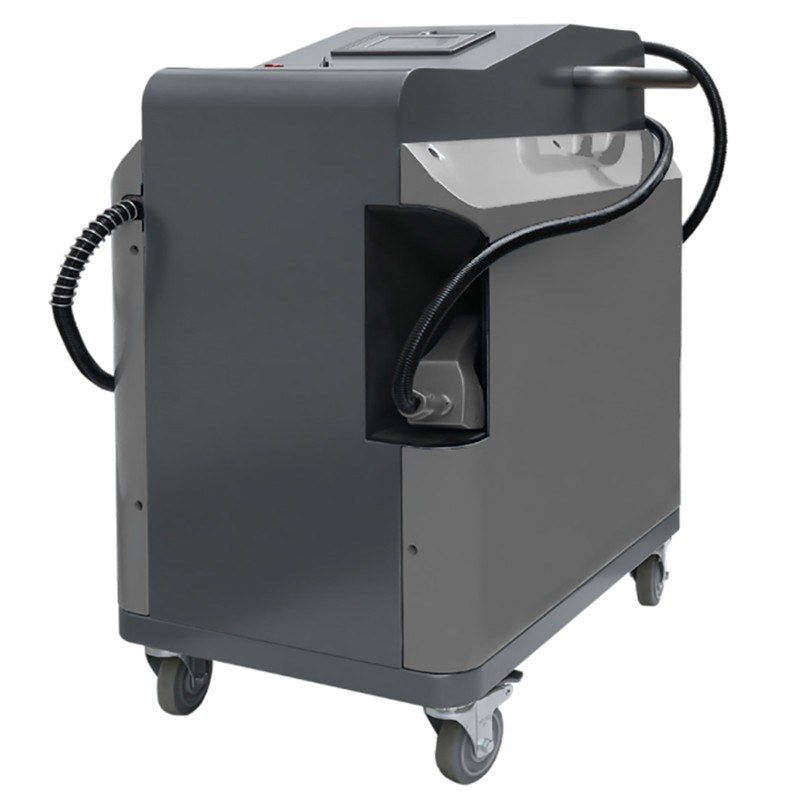
Pulsed cleaners, 50–500 W
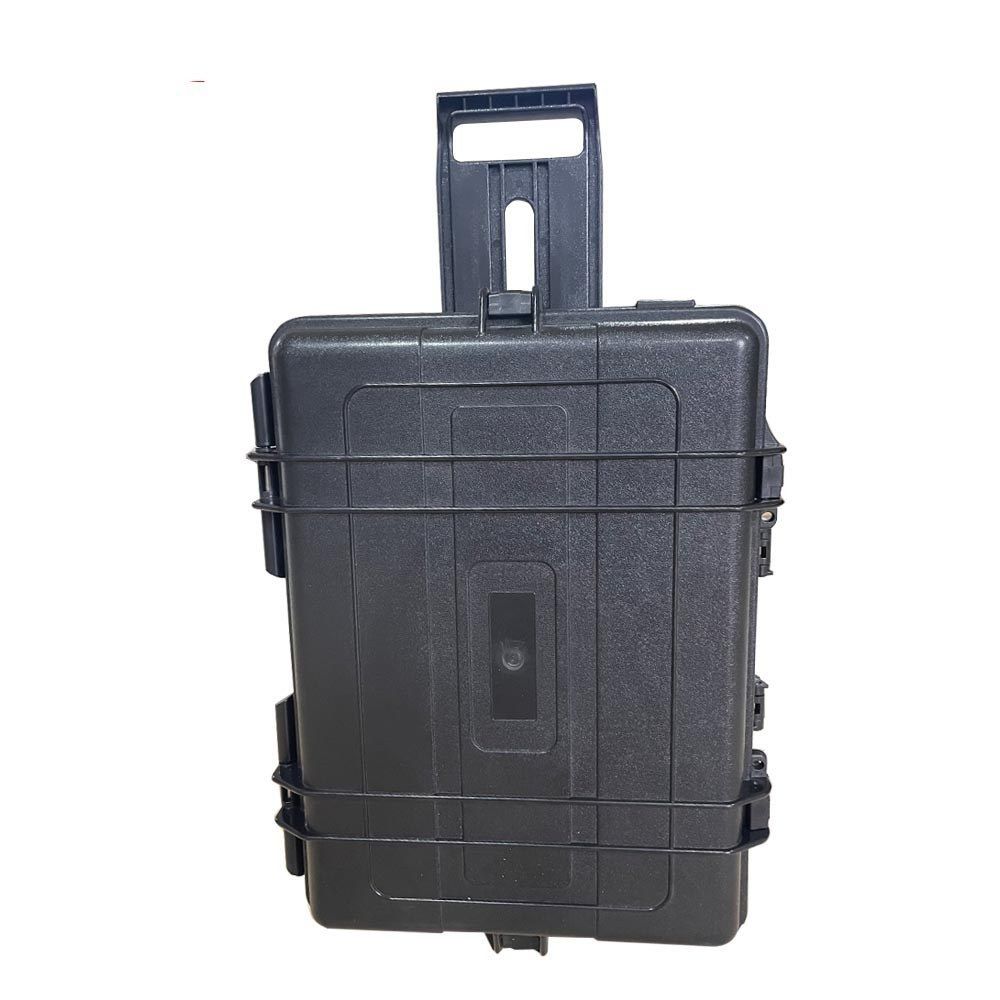
Pulsed cleaners, 50–500 W
FAQ
Yes. The small heat-affected zone reduces the risk of cracking compared with TIG, which is why mould shops use laser welding for precise repairs. Preheating and the right filler wire still matter for some steels.
A pulsed laser set correctly removes release agent, rubber and carbon residue while leaving the texture intact. Continuous-wave lasers are not recommended for this.