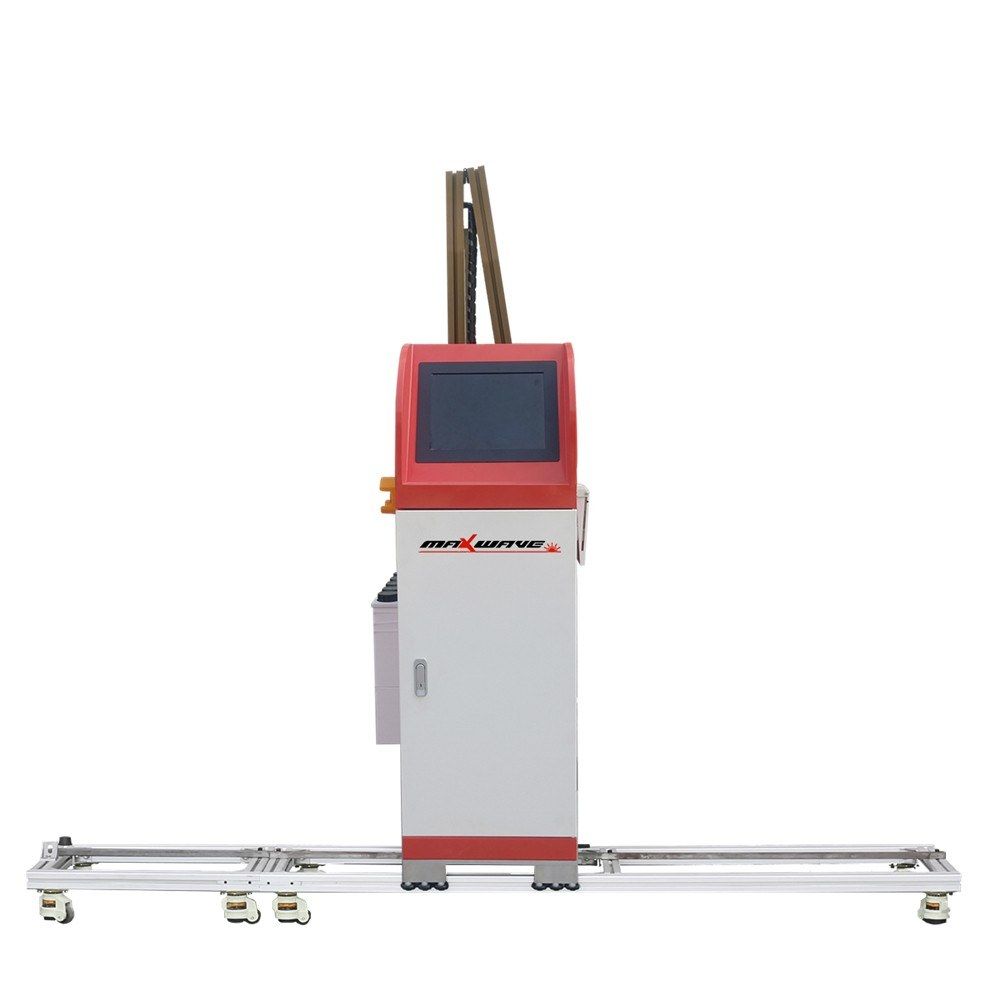
Vertical wall printers
Touch-Screen 3D Wall Printer, Double Epson Heads (CMYK or CMYK + White)
- Print height
- 2.5 m
- Resolution
- 2880 dpi
- Print speed
- 5–8 m²/h
Application · Wall or UV printing
A vertical wall printer prints full-colour images straight onto interior walls and many other surfaces. Mural studios, interior designers, schools, restaurants and retail fit-out firms use them for walls that would take days to paint by hand.
Hand-painted murals take skilled painters days or weeks, and photographic designs are hard to paint at all. Wallpaper and vinyl need seams and cannot go on every surface.
The printer stands in front of the wall on a track or wheels. A print head moves up and down a vertical rail, printing one vertical strip at a time, and the machine steps sideways to the next strip. It prints from a normal image file, so any photo or design can become a wall.
Wall printers print on painted plaster and drywall, tiles, glass, wood, canvas and metal. UV-curable ink cures instantly and resists wear; water-based ink has less odour for occupied spaces. A primer coat improves colour and adhesion on porous walls.
Many buyers run mural services for homes, schools, restaurants and shops, and print logos on office walls. A UV flatbed printer adds small objects such as phone cases, signs and gifts to the same business. Our wall printer guide covers running costs and what to check before buying.
Vertical wall printers
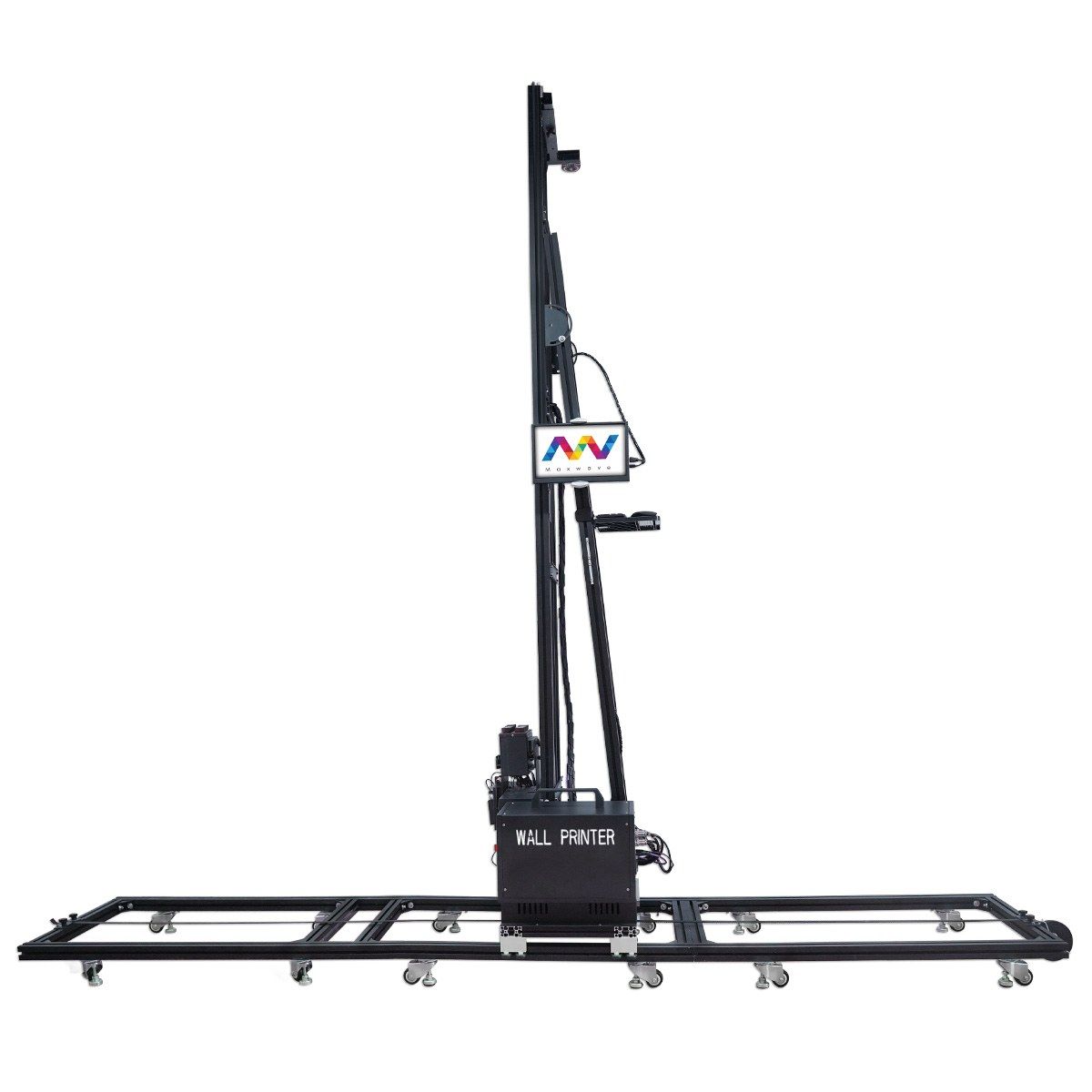
Vertical wall printers
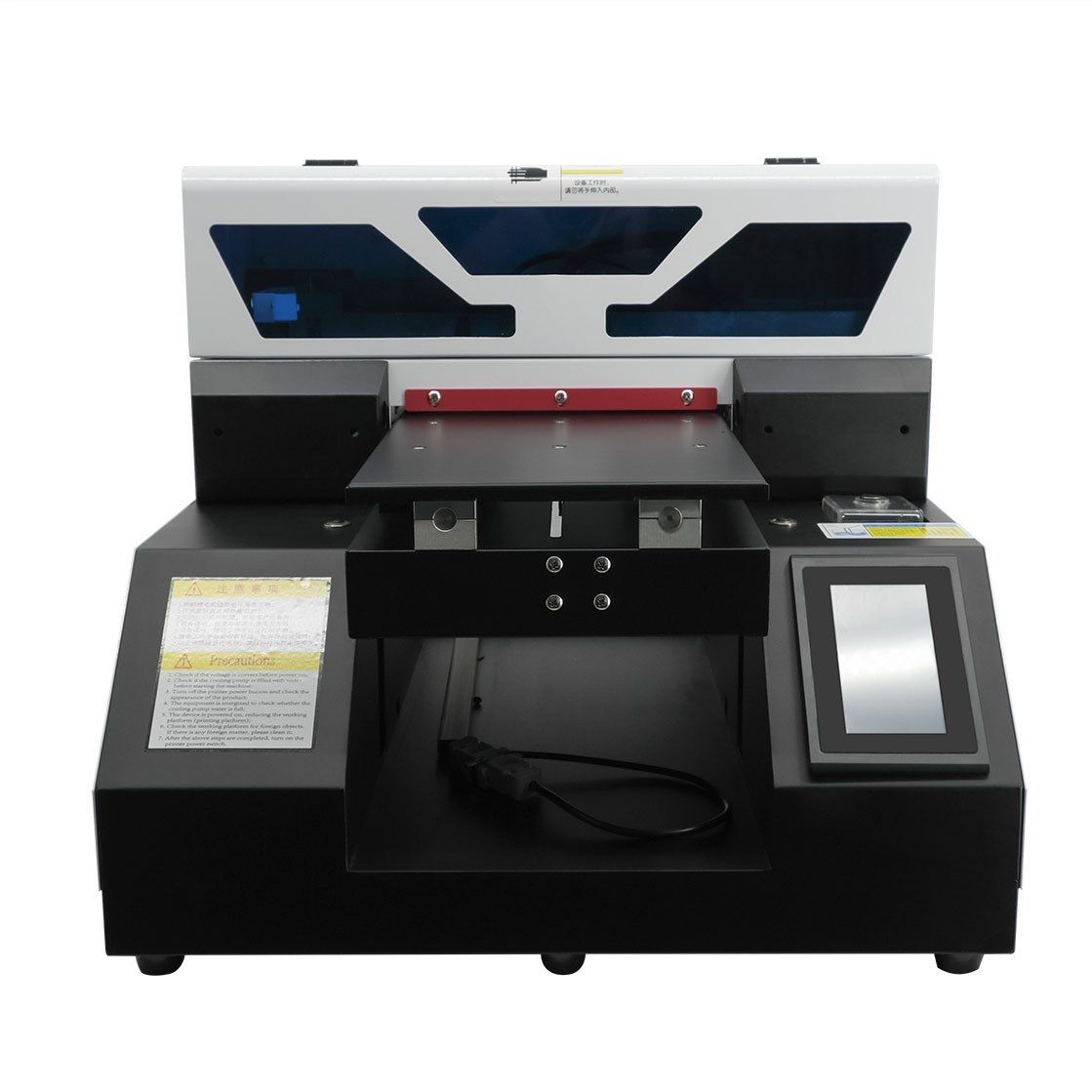
UV flatbed printers
FAQ
It depends on the area, the resolution you choose and the printer model. Lower resolutions print faster for large walls seen from a distance; high resolution suits walls seen up close.
Indoors, UV-curable prints on a primed wall are durable and can be wiped clean. Outdoor durability depends on the ink, surface and climate; ask us before using a print outdoors.
Light textures are fine. Heavily textured or uneven walls reduce sharpness because the print head needs a steady distance to the surface.