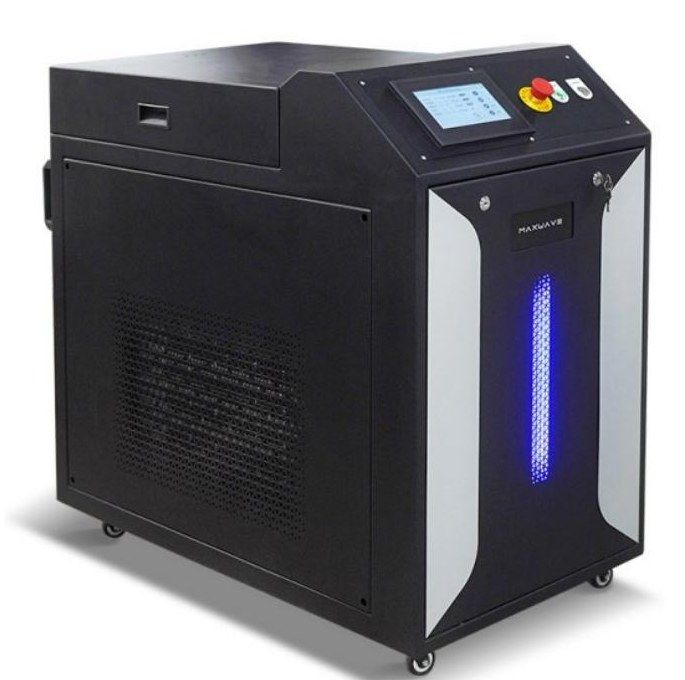
Continuous-wave cleaners, 1000–3000 W
Continuous Laser Cleaning Machine 1500 / 2000 / 3000 W (MW-LCW)
- Laser power
- 1500–3000 W
- Cleaning width
- 10–300 mm
- Cable length
- 15 m
Application · Laser cleaning
Laser cleaning removes rust, mill scale and paint without abrasive media or solvents. It suits maintenance crews, restorers, shipyards and fabricators who need clean steel without the mess of blasting.
Rust and old coatings have to come off before welding, painting, inspection or restoration. Sandblasting does it quickly on large areas but creates spent media, dust and masking work. Chemical strippers need handling, dwell time and disposal. Wire brushes and grinders are slow and remove base metal.
A handheld head scans a line of laser light across the surface. Oxides and coatings absorb the energy and lift off as fume and fine particles; bare steel reflects most of it. The operator walks the head across the part like a spray gun. There is no media to recover and no masking for areas you do not aim at.
For very large areas with thick coatings, such as a full ship hull, abrasive blasting is still faster per square metre. Many contractors use laser cleaning for the parts where blasting is a problem: near machinery, in finished buildings, on parts that cannot take media, and for weld preparation.
Start with a sample. Coating type, thickness and the finish you need decide the power and scan settings. We run your part on the machine you are considering and send you a video and the settings.
Continuous-wave cleaners, 1000–3000 W
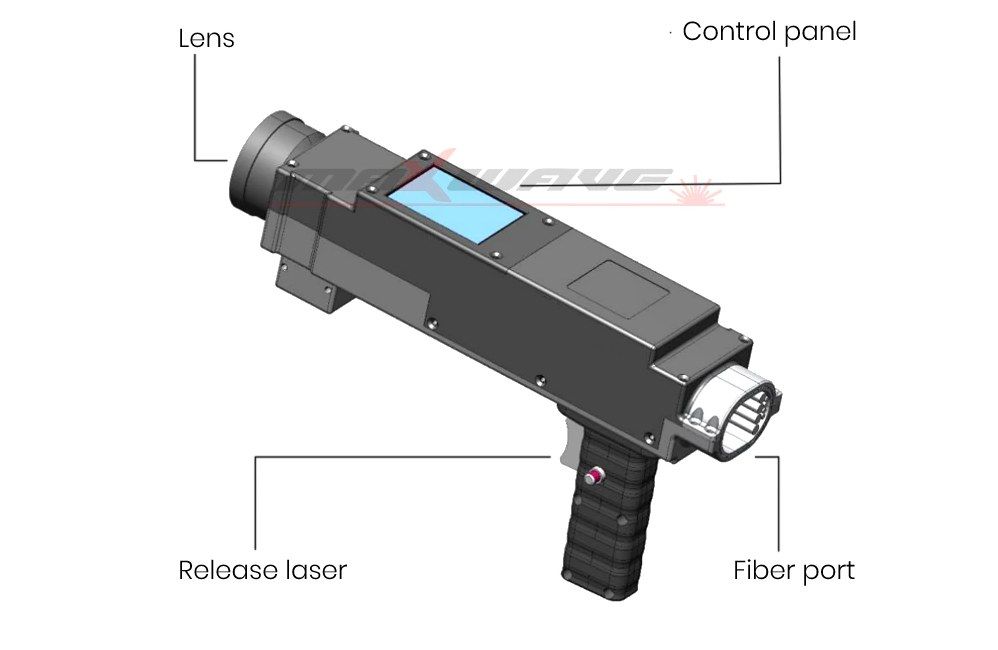
Continuous-wave cleaners, 1000–3000 W
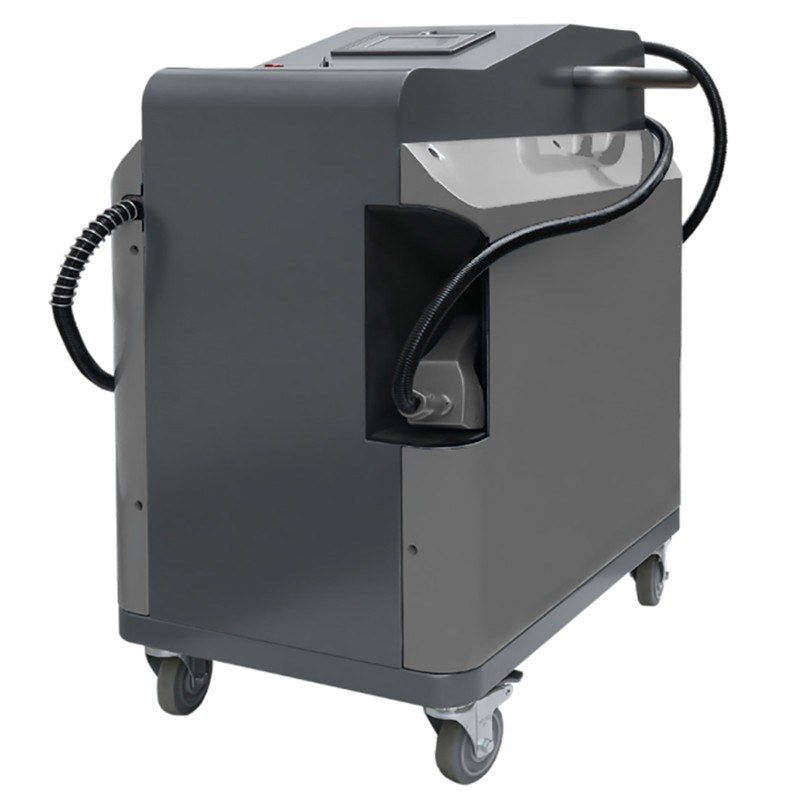
Pulsed cleaners, 50–500 W
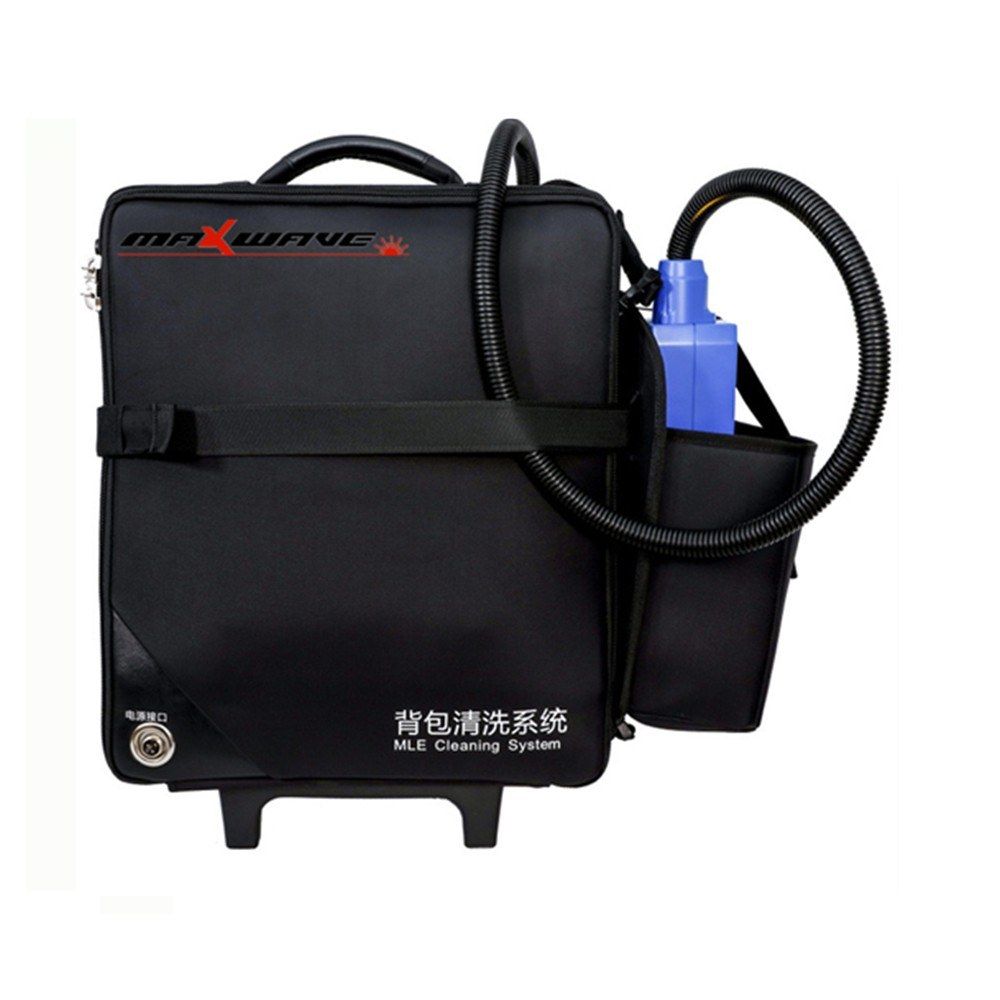
Backpack and portable cleaners, 20–100 W
FAQ
It depends on rust thickness, laser power and the finish you need. Light surface rust clears quickly even with lower power; heavy, layered rust needs continuous-wave power of 1500 W or more and several passes. A sample test gives you a real rate for your parts.
Yes, down to bare metal, or layer by layer if you only want to remove the top coat. Thick paint and powder coat take longer than rust, so power matters more.
With the right settings, yes. Pulsed lasers put very little heat into the part. Continuous-wave lasers are faster but need care on thin sheet to avoid discolouration.
Removed coatings turn into fume and fine particles. Use fume extraction at the cleaning head, especially with old paints that may contain lead or zinc.