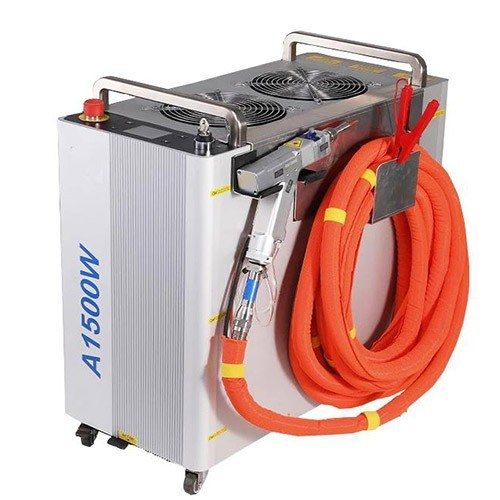
Handheld fiber laser welders
Air-Cooled Handheld Fiber Laser Welding Machine 1000–1500 W
- Laser power
- 1000–1500 W
- Stainless penetration
- 2.5–4 mm
- Cooling
- Air
Application · Laser welding · Laser cutting · Laser cleaning
Cabinets, kitchen equipment, frames, enclosures and railings: fiber lasers cut the blanks, handheld laser welders join them with low distortion, and laser cleaners remove oxide and heat tint.
Sheet-metal shops turn flat stock into finished parts: cut blanks, bend them, weld the seams, then clean and finish. Each step costs labour, and every millimetre of distortion or spatter means more grinding later.
For smaller shops, a 4-in-1 handheld system welds, cuts thin sheet and cleans with one laser source by changing the nozzle.
Choose welder power by the thickest material you weld every week. 1000–1500 W covers most work up to a few millimetres; 2000–3000 W adds penetration for thicker joints and aluminium. Our power guide has a typical thickness table.
Send us two pieces of your material in your usual joint. We weld them, section if you ask, and send you photos, a video and the settings.
Handheld fiber laser welders
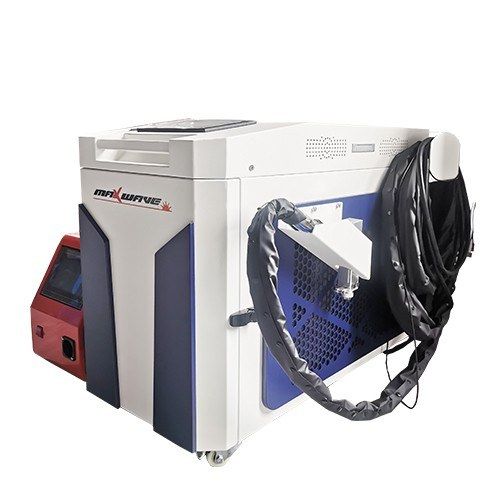
Handheld fiber laser welders
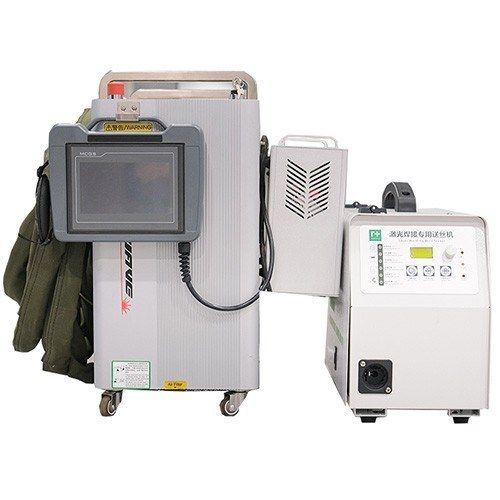
Handheld fiber laser welders
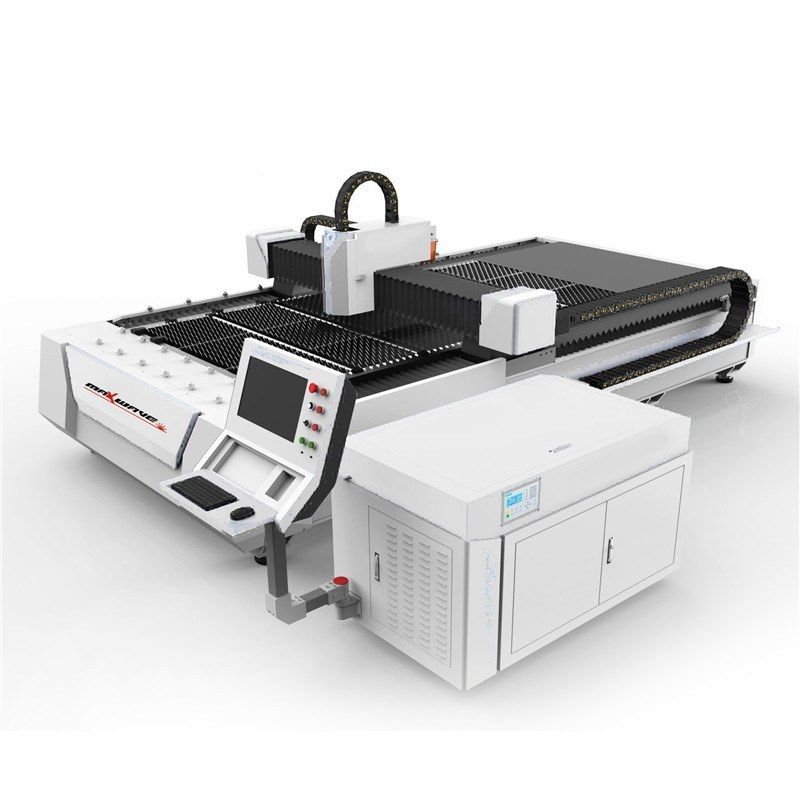
Sheet fiber laser cutters
FAQ
For thin stainless, carbon steel and aluminium with good fit-up, many shops move most of their TIG work to laser welding because it is faster and distorts less. TIG remains useful for thick sections, poor fit-up and some critical joints.
Not for tight butt and lap joints on thin sheet. A wire feeder helps with gaps, fillet welds and when you need more weld metal.
Argon or nitrogen as shielding gas for welding, depending on the material. For cutting, oxygen, nitrogen or compressed air depending on thickness and edge quality.